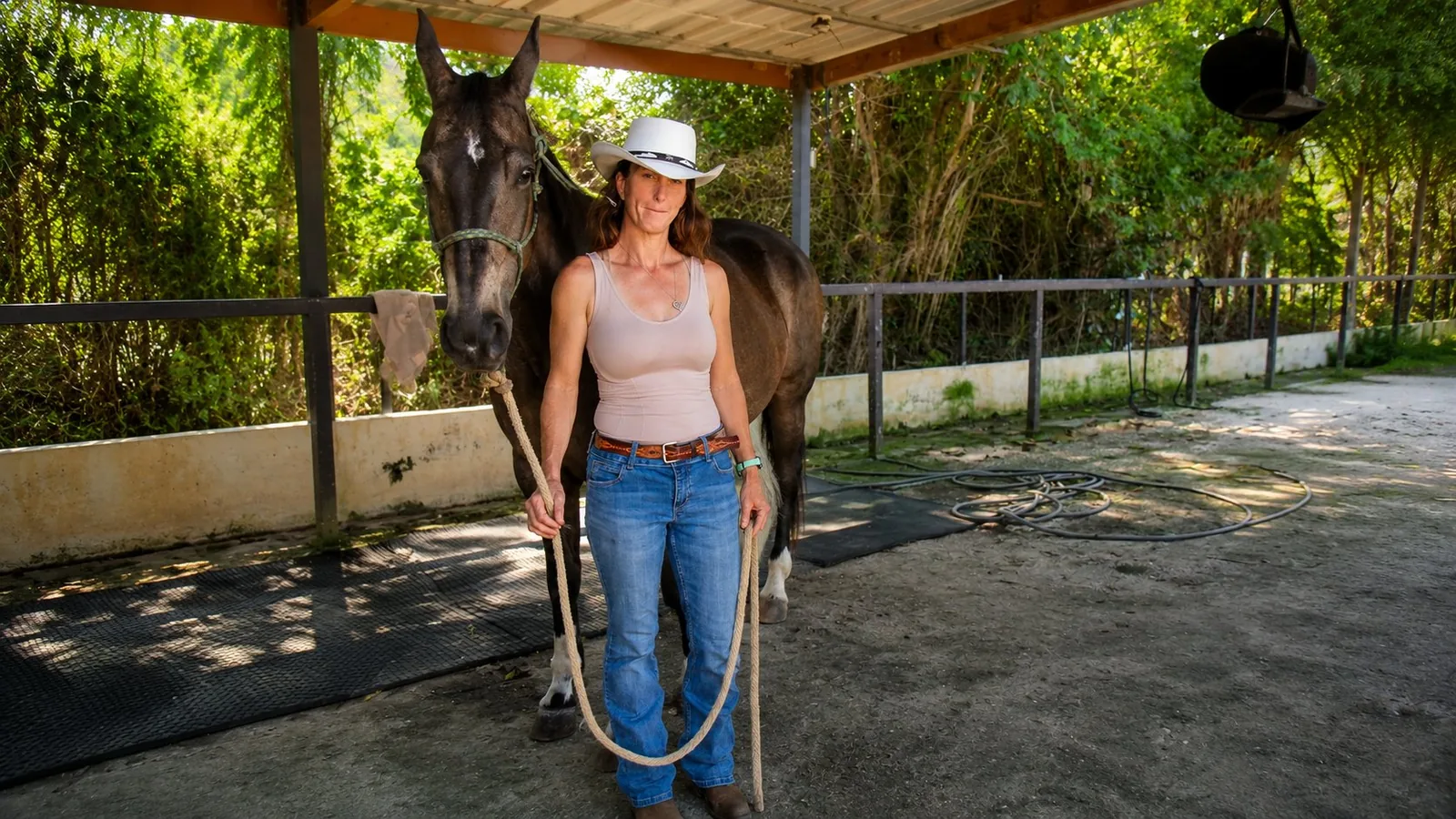
How Patient, Consistent Training Helps Young Horses Learn Without Being Overwhelmed
Learn how patient horse training in Isabela, PR, uses clear cues, small steps, stress awareness, and gradual saddle introductions to help young horses learn.
By Barefoot Riding PR
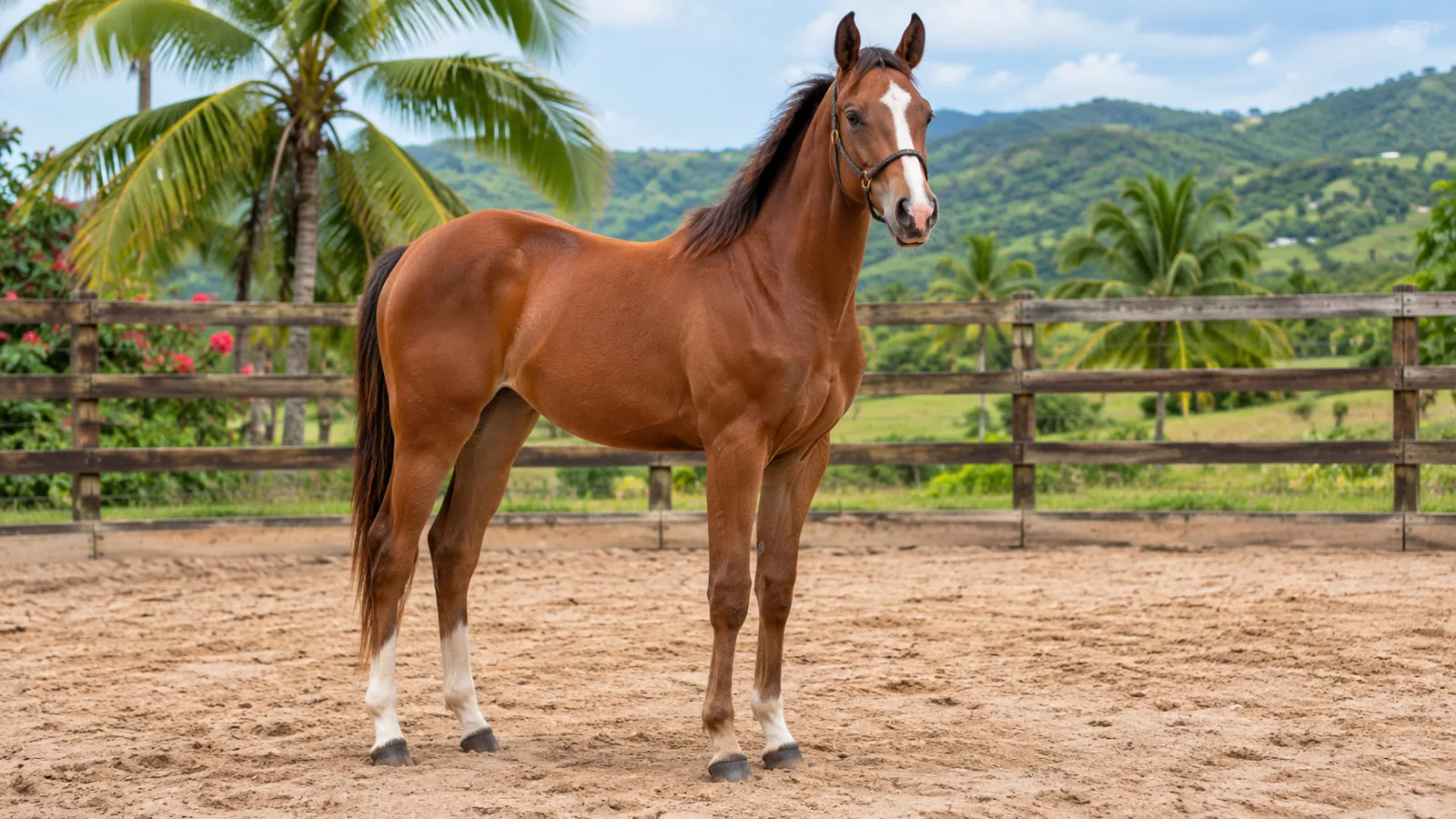
A young horse might accept a saddle without a problem, then suddenly panic when the stirrups start moving. That reaction doesn't always mean the horse is being difficult. Sometimes, the lesson has moved ahead before the horse understands what is happening.
Patient training breaks new experiences into smaller steps that feel less threatening. Professional horse training in Isabela, PR, helps young horses learn proper manners, clear commands, and how to handle unfamiliar situations. Barefoot Riding PR uses steady groundwork and careful handling to help each horse gain confidence without rushing important lessons.
This approach helps young horses understand what is expected of them instead of simply putting up with uncomfortable situations.
Keep reading to learn how patient, consistent training helps young horses develop skills without unnecessary stress.
Key Takeaways
- A young horse that stands still isn't always calm, and missing the signs of fear could lead to bigger problems.
- Small, familiar lessons help young horses understand commands without getting frustrated or confused.
- Rushing through groundwork, saddle training, or new surroundings could create habits that take much longer to correct.
The Lesson Starts at the Gate
A young horse that pushes past you at the gate may struggle to listen later. Rushing out can be a sign of excitement or poor ground manners. Barefoot Riding PR teaches horses to pause and wait for a clear signal before walking forward.
Practicing this simple routine helps a horse learn to respect personal space. The trainer can ask it to stop, stand quietly, and move ahead without pulling on the lead rope. These early lessons set the tone for a calmer training session.
One Cue, One Clear Answer
A young horse can get confused when the same command keeps changing. Barefoot Riding PR uses steady cues so each request has a clear meaning. When the horse responds as asked, the trainer eases pressure to reward that movement.
Clear signals help young horses learn what to do without constant correction. During horse training in Isabela, PR, trainers can repeat familiar commands until the horse understands them. This steady practice gives the horse time to learn without feeling rushed or frustrated.
How Do Trainers Know When a Young Horse Needs a Break?
A horse that suddenly rushes through an easy task may be feeling stressed. Tight muscles, quick steps, and missed commands can signal that the lesson is too much. Skilled trainers watch for these changes instead of pushing the horse through another exercise.
A short break gives the horse a chance to relax and regain focus. Trainers may return to a familiar task before asking for something new. This approach helps the horse finish the session feeling calm rather than confused or upset.
A Familiar Win Comes First
New lessons feel less daunting when a young horse starts with something it knows. A trainer can use an easy task to see whether the horse is ready for a new challenge.
Small Successes Set a Positive Tone
A young horse may respond well to a simple backing exercise learned during earlier sessions. Taking a few smooth steps backward shows that it remembers the request. The trainer can reward that effort before moving on to a harder skill.
Familiar Movements Make New Tasks Easier
A horse that knows how to turn can use that skill to learn more advanced movements. Asking it to move its shoulders sideways adds a small challenge to something familiar. This gradual approach helps Barefoot Riding PR introduce new skills without overwhelming young horses.
Stillness Doesn't Always Mean Calm
A young horse can stand perfectly still while feeling scared inside. Stiff legs, tight muscles, and wide eyes may reveal fear that isn't easy to spot. Some horses freeze when faced with a strange sound or object instead of trying to escape.
During horse training in Isabela, PR, watching these small signs helps trainers understand how a horse feels. Barefoot Riding PR gives young horses time to adjust rather than forcing them through a frightening experience. A relaxed body and willing response show more progress than standing still out of fear.
The First Correct Step Matters
Perfect moves take time, and young horses need room to learn. A slight turn or small shift in weight may be the response a trainer wants. Rewarding that first attempt tells the horse it is heading in the right direction.
Waiting for a flawless response can leave an inexperienced horse confused. Skilled trainers notice small efforts and reward them before asking for more. As the horse learns, they can slowly ask for a fuller movement without causing frustration.
Saddle Training Happens in Stages
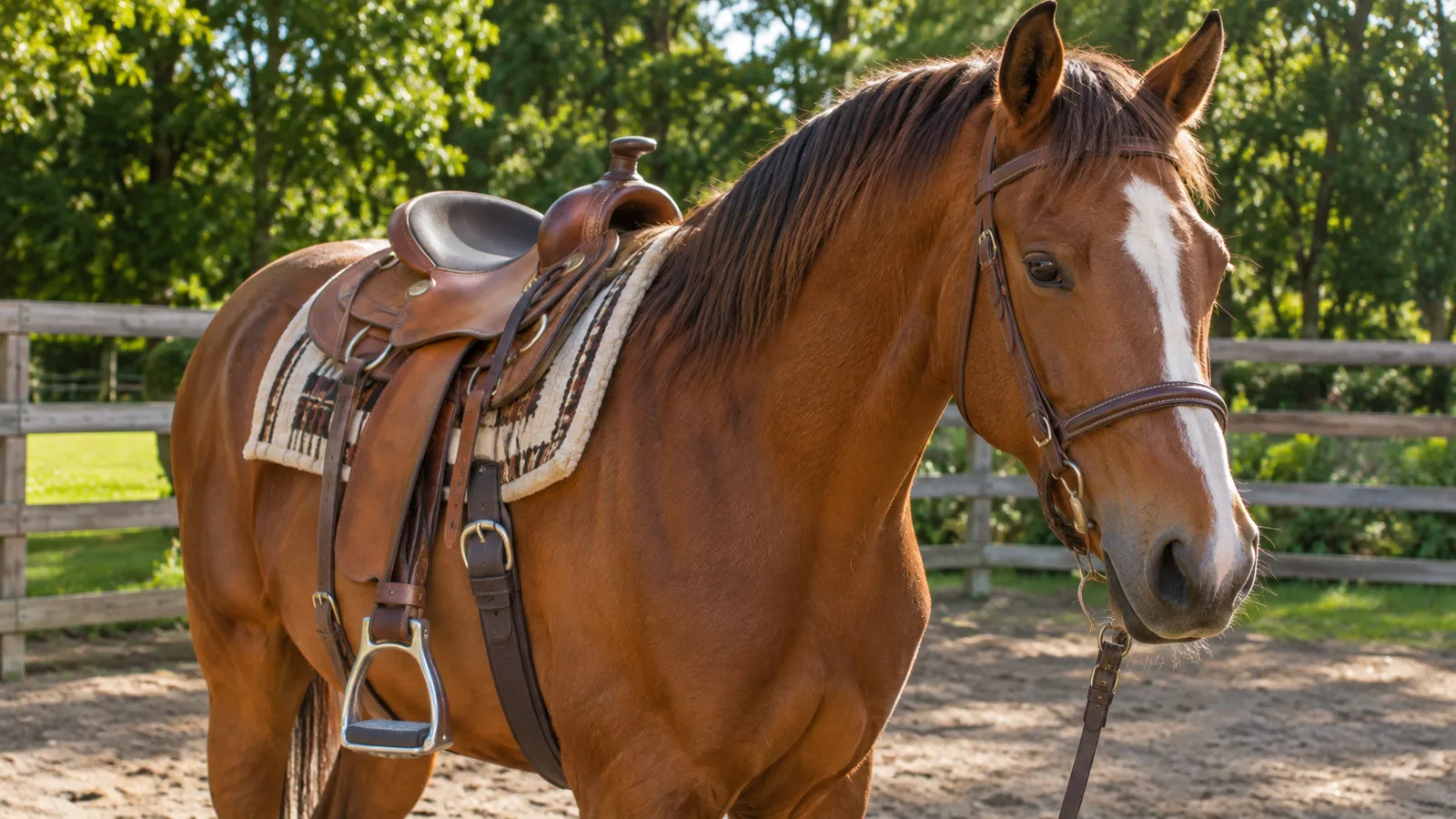
A saddle can feel strange to a young horse that has never worn one. Each new sound, touch, or movement may cause a different reaction. Barefoot Riding PR introduces these changes slowly so horses have time to get comfortable.
The following steps show how patient saddle training helps young horses adjust:
- Getting Used to the Saddle Pad: A trainer may gently place the pad on the horse's back and remove it again. Repeating this step lets the horse get used to the feeling without adding extra weight.
- Introducing Saddle Weight: Placing the saddle on the horse adds pressure across its back. Trainers watch for signs of discomfort before moving forward with the lesson.
- Adjusting the Girth: A loose girth is tightened in small steps so the horse can adjust to pressure around its belly. Walking the horse between adjustments may help trainers spot signs of discomfort.
- Introducing Moving Stirrups: Loose stirrups can swing against the horse's sides and cause a sudden reaction. Trainers introduce this movement in a controlled setting before asking the horse to walk with the saddle.
Professional horse training in Isabela, PR, gives young horses time to accept each part of the saddle before moving into more advanced riding lessons.
Contact Barefoot Riding PR for Professional Horse Training in Isabela, PR
A quiet horse isn't always a confident horse, especially when unfamiliar equipment or new surroundings put its training to the test. Barefoot Riding PR focuses on patient groundwork, clear commands, and gradual progress to help young horses develop skills they truly understand. Give your young horse a better start by working with professional trainers who recognize when to move forward and when to slow things down.
Frequently Asked Questions
Can rushing saddle training cause behavior problems in young horses?
Moving too quickly can make young horses fearful of equipment they haven't had time to understand. Gradual training helps them accept saddle pads, girth pressure, and moving stirrups without becoming overwhelmed.
What should a young horse learn before starting saddle training?
Young horses should understand basic commands such as stopping, backing up, and respecting personal space. These groundwork skills help professional trainers introduce riding equipment without adding unnecessary confusion.
Why does my young horse behave differently when handled from the right side?
Young horses don't always understand that lessons learned on one side of their body also apply to the other. Practicing handling exercises from both directions helps them become more comfortable with grooming, saddling, and other daily activities.
How do professional trainers prevent confusion during young horse training?
Experienced trainers use clear signals and reward correct responses before asking for more difficult movements. This consistency helps young horses connect each command with the expected action instead of guessing.
Is a young horse ready to ride if it stands quietly during mounting?
Standing still during mounting doesn't always mean a young horse understands how to respond with a rider on its back. Professional trainers look for relaxed movement, clear responses, and a solid groundwork foundation before advancing riding lessons.