3 Body Awareness Tips to Improve Your Time in the Saddle
Small adjustments in how you position and move your body can dramatically improve your riding comfort and effectiveness.
By Barefoot Riding PR
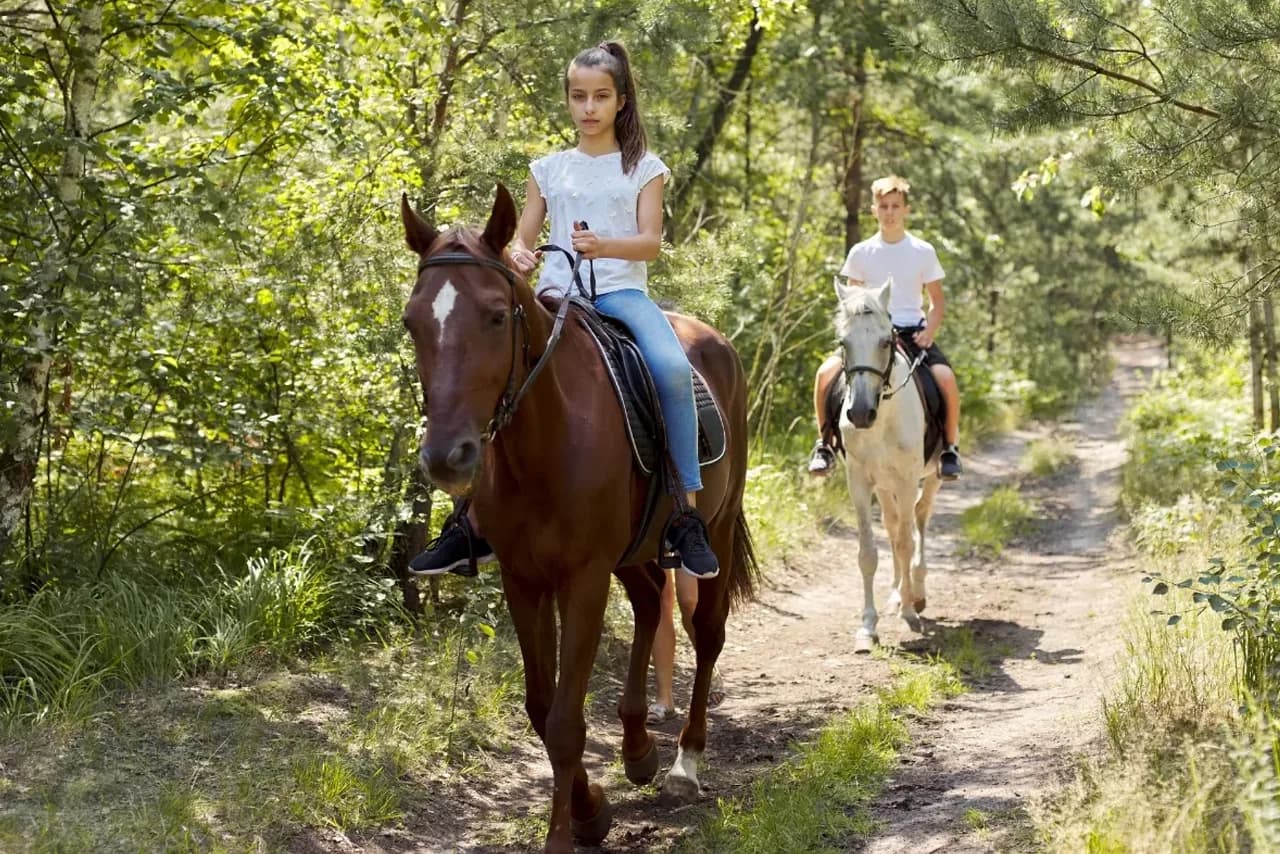
Many riders focus on external techniques, how to hold the reins, where to place their legs, what commands to give. But experienced horsemen know that riding truly improves when you develop awareness of your own body. How you sit, how you breathe, how you move. These fundamentals determine the quality of your ride far more than any technique you can memorize, and they sit at the heart of our training program.
Unlock Your Seat by Loosening Your Elbows
A common problem for nervous or concentrated riders is unconsciously gripping with their upper body. Shoulders tense, elbows lock, hands become tight on the reins. This tension travels down your entire body and directly into the horse's mouth. The animal responds by becoming tense itself, which confirms your sense that something is wrong. It becomes a cycle.
One of the quickest shifts riders can make is to consciously relax their elbows. This single adjustment often cascades through the entire body. When elbows soften, shoulders naturally drop. When shoulders drop, breathing deepens. When breathing deepens, the seat becomes secure and independent. Suddenly the horse softens in response. This is why experienced riders emphasize relaxation above force. A loose elbow communicates more clearly than a tight rein.
Posture Shapes Your Horse's Response
Your horse is constantly reading your body position. A rider who sits collapsed or unbalanced communicates weakness or uncertainty, and the horse may respond by testing boundaries or becoming anxious. A rider who sits with engaged core, long spine, and open chest communicates quiet leadership. The horse organizes itself to match this posture, often naturally improving its own carriage and responsiveness.
This doesn't mean rigid military posture. It means purposeful alignment, ribs stacked over pelvis, shoulders back and relaxed, head balanced over your spine. When you hold this position consistently, the horse stops wondering who's in charge and can focus on the partnership.
Ride With Feel, Not Force
The most transformative insight for many riders is understanding the difference between feeling and forcing. Forcing is about muscular effort, pulling harder, squeezing tighter, using more leg pressure. Feeling is about sensitivity and responsiveness. A rider who rides with feel is constantly noticing small changes in the horse's energy and responding before they become problems. This rider achieves results with minimum effort. Our training videos are full of small examples of what this looks like in real time.
Developing this sensitivity requires slowing down and paying attention. Instead of deciding what you want the horse to do and forcing it to comply, notice what the horse is communicating. What is its current energy level? Where is its attention? What would happen if you simply shifted your weight slightly rather than using leg pressure? What if you softened your hand and trusted the horse's forward momentum?
Putting It All Together
These three aspects of body awareness, relaxed elbows, aligned posture, and sensitivity to feel, work together. When you loosen your elbows, your posture automatically improves. When your posture is clear, you can feel much more subtly. When you're riding with feel rather than force, you need far less muscular tension. At Barefoot Riding PR, we encourage riders to think less about complicated techniques and more about these fundamental physical principles. The results often surprise people. Better riding isn't about doing more. It's about doing less, more consciously.
Curious how these adjustments feel in your own seat? Book a training session and we'll work through them together.