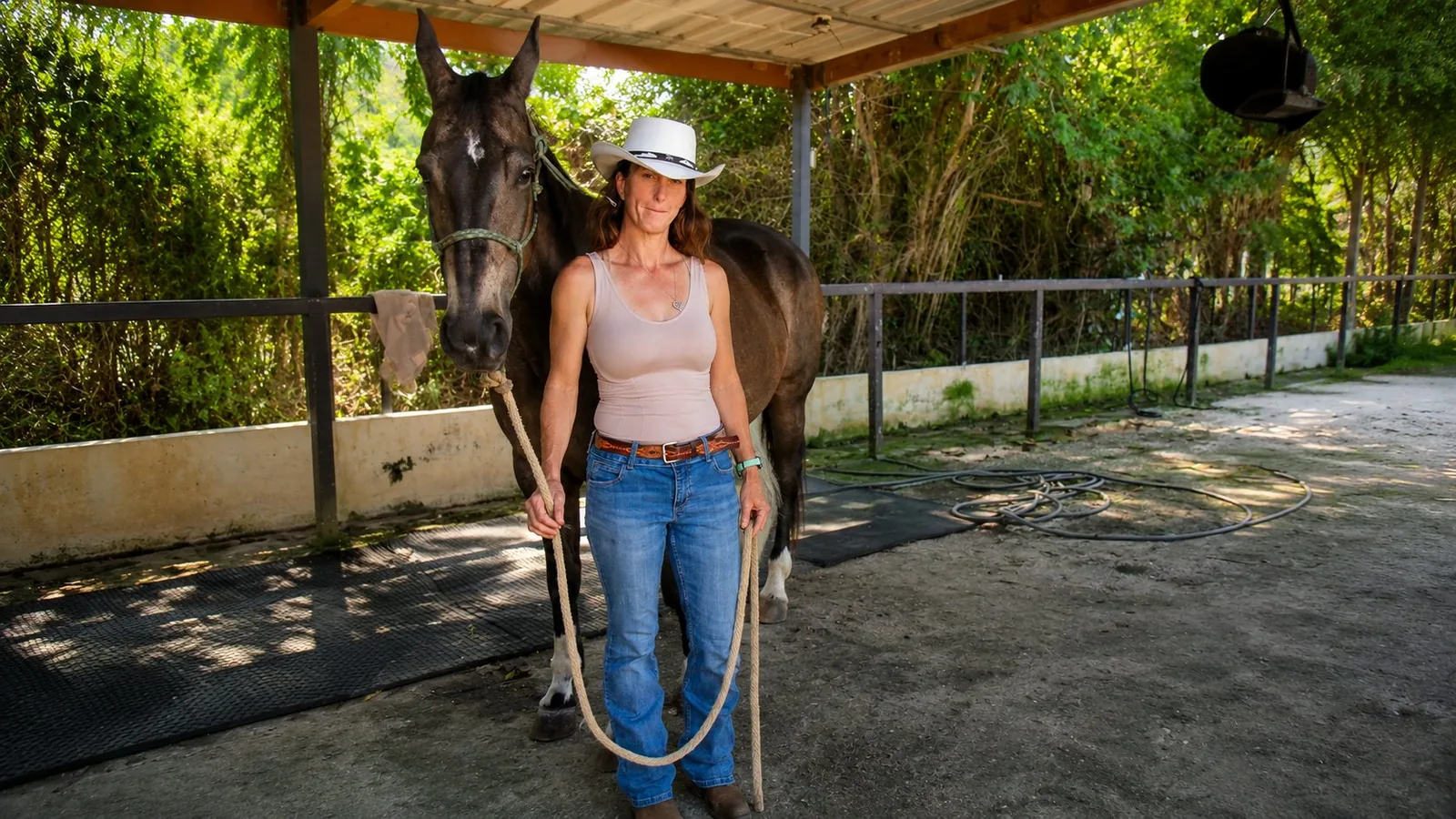
What Is a Curry Comb? 8 Tips for Using One on Your Horse
Learn how to use a curry comb on your horse with gentle pressure, small circles, safe grooming areas, and brushing tips from Barefoot Riding PR.
By Barefoot Riding PR
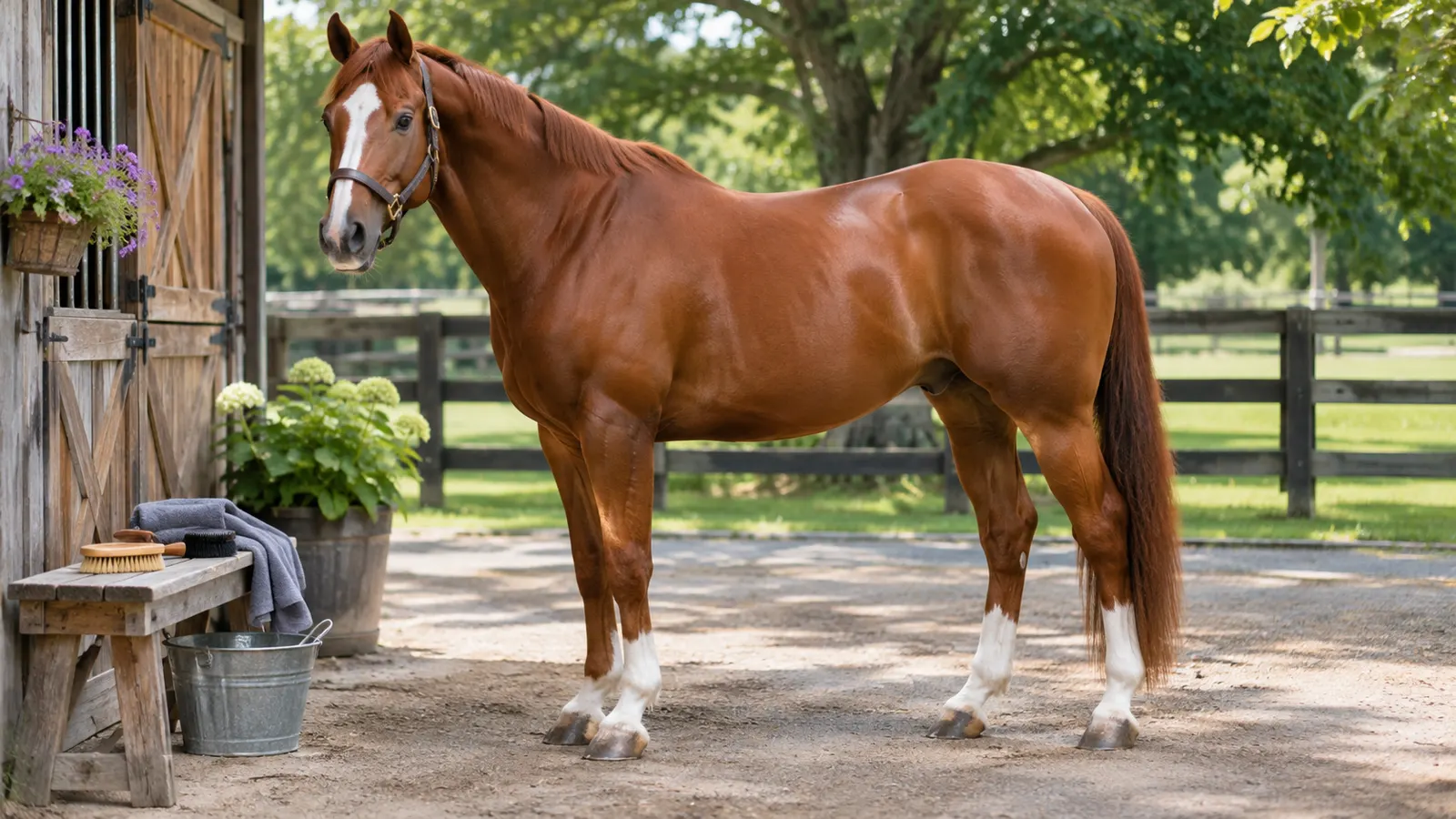
A dirty horse doesn't always look dirty. Dust, loose hair, and dried sweat often hide deep in its coat, where a regular brush won't reach. A curry comb uses short rubber teeth to loosen this buildup and bring it to the surface.
Using this simple tool helps keep your horse clean while giving you a chance to spot sore spots or skin problems. Barefoot Riding PR understands how much proper grooming matters when building trust with a horse. Working with an experienced horse trainer in Isabela, PR, helps owners learn gentle handling skills that make grooming easier and more comfortable.
A horse that feels safe during grooming is more likely to stand calmly and accept your touch.
Learn how to use a curry comb the right way and make grooming a better experience for your horse.
Key Takeaways
- A curry comb lifts hidden dirt and loose hair that regular brushing often leaves behind.
- Small circles, gentle pressure, and the right starting spot make curry combing safer and more effective.
- Calm grooming sessions help nervous horses accept touch and learn to stand still.
Start With the Shoulder, Not the Back
A horse may pull away if a curry comb touches a sensitive spot too soon. The shoulder is a good starting place because its thick muscles can handle gentle rubbing. Begin with small, slow circles and watch how your horse responds to the rubber teeth.
Relaxed ears and a calm stance can tell you that the pressure feels comfortable. Once your horse accepts the movement, slowly work toward the neck and sides of its body. Any flinching, pinned ears, or sudden movement means you should stop and give your horse a chance to settle.
Keep Your Circles Small and Controlled
Big sweeping motions can leave dirt behind and tug at your horse's coat. Small circles about the size of your palm help the rubber teeth loosen dust, dried sweat, and loose hair. Barefoot Riding PR encourages gentle grooming habits that keep horses comfortable while getting their coats clean.
Focus on a small patch of hair before moving the comb to the next area. An experienced horse trainer in Isabela, PR, can show you how to overlap each circle without pressing too hard. This steady approach helps you cover the coat without missing spots or rubbing the same area too much.
Use Grooming to Practice Standing Still
Restless feet can turn a simple grooming session into a challenge for both you and your horse. Short practice sessions can teach your horse to stay in place while getting used to the curry comb.
Reward Quiet Moments During Grooming
Start with gentle brushing while your horse stands in a safe, open area. Pause when its feet are still, then offer a soft word of praise or a gentle scratch. These short breaks help your horse learn that standing quietly brings a pleasant response.
Build Patience Without Rushing the Process
Long grooming sessions may frustrate a horse that's still learning ground manners. Barefoot Riding PR teaches calm handling skills that owners can practice during everyday care. As your horse becomes more comfortable, add a little grooming time while allowing breaks before it grows restless.
How Hard Should You Press With a Curry Comb?
Your horse's coat should move beneath the curry comb without the rubber teeth digging into its skin. Thick hair packed with mud may need a little more pressure to loosen the dirt. Horses with short, fine coats need a softer touch because there's less hair between the comb and their skin.
Pay attention to how your horse reacts as you work across its body. Pinned ears, tight muscles, or attempts to step away may mean the rubbing feels uncomfortable. Ease up on the pressure or stop if your horse shows signs of pain or irritation.
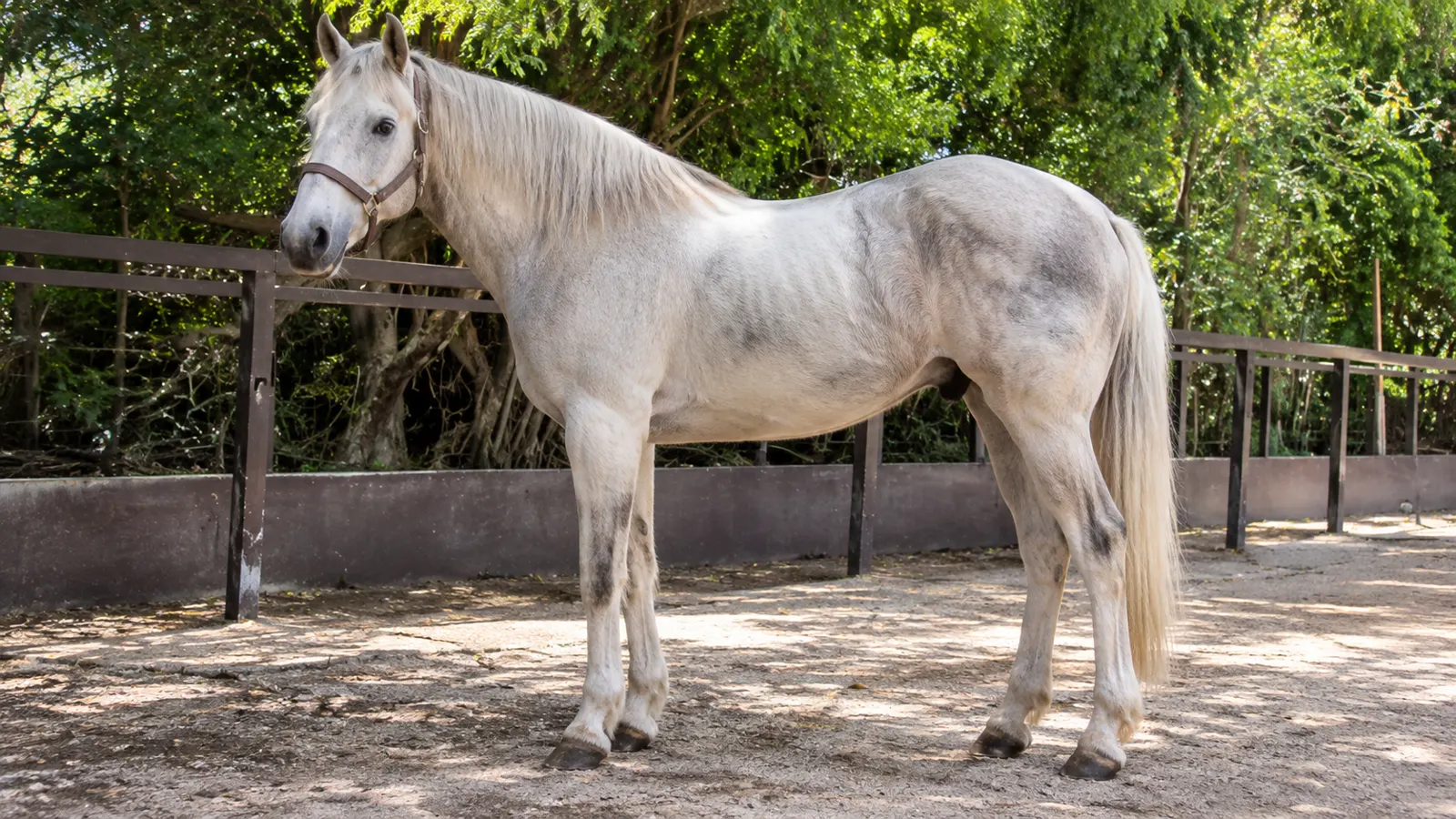
Break Up Dried Sweat Before Saddling
Dried sweat can leave rough patches of hair where the saddle and girth touch your horse. These areas need attention because trapped dirt can rub against the skin during a ride. A horse trainer in Isabela, PR, can teach you how to spot this buildup and remove it without causing discomfort.
Soft rubber curry combs can loosen dry sweat with gentle circular movements. Stubborn patches may need a little water to soften the residue before you brush it away. Barefoot Riding PR teaches horse owners grooming habits that help keep the coat clean and free of grit before saddling.
Keep the Comb Away From Bony Areas
Rubber curry comb teeth can hurt when they press against bones with little muscle covering them. Horses may flinch or pull away if you scrub these spots too hard. Young horses can become afraid of grooming when rough handling causes pain.
The following areas need a softer approach during grooming:
- Along the Spine: The backbone sits close to the skin, making firm rubbing uncomfortable. Use a soft brush along the spine instead of pressing rubber teeth against the bones.
- Pointed Hip Bones: Some horses have hip bones that stick out beneath a thin layer of skin. Brush around these raised areas gently and avoid putting direct pressure on them.
- Lower Legs: The cannon bones have little soft tissue to cushion the pressure of a curry comb. A soft brush can remove loose dirt without scraping the skin near these bones.
- Face and Jaw: Thin skin covers the bones around your horse's cheeks and jaw. Choose a soft face brush and use light strokes while keeping clear of the eyes and nostrils.
Gentle grooming around sensitive areas helps your horse feel comfortable with being touched and handled.
Let Nervous Horses Investigate the Comb
Seeing a strange object near its body may cause your horse to raise its head or step aside. Hold the curry comb where the horse can see it and decide whether to come closer for a sniff. Keep your hand steady and avoid pushing the tool toward its face if it backs away.
Curiosity is a good sign, but it doesn't mean the horse is ready for a full grooming session. Try a light touch against the shoulder, then remove the comb before the horse becomes worried. Barefoot Riding PR uses this patient approach during groundwork to help horses learn that unfamiliar objects don't have to be scary.
Finish With a Brush That Follows the Hair
Loose dust can stay buried in your horse's coat even after you've worked over it with a curry comb. A body brush sweeps away the dirt and hair that the rubber teeth have brought to the surface. Use short strokes in the direction the hair grows, working through each area until the coat looks clean.
Before saddling up, run your hand across the places where the riding equipment will rest. Tiny bits of sand or dried dirt can cause rubbing when the saddle and girth press against the skin. Give those spots another pass with your brush if you feel anything rough caught in the hair.
Build Your Horse's Trust With the Help of a Curry Comb
The way you use a curry comb matters just as much as the dirt you remove from your horse's coat. Barefoot Riding PR helps horse owners develop better handling skills through patient training and groundwork that makes daily care easier. Gentle grooming, steady movements, and attention to your horse's reactions help turn a simple cleaning routine into a chance to build trust.
Frequently Asked Questions
Can a curry comb remove dried mud from a horse's coat?
A rubber curry comb helps break apart dried mud so you can brush the loose dirt away. Thick patches may need water to soften them before grooming.
How do I know when I've finished using a curry comb?
Your horse's coat should have less loose hair, trapped dirt, and dried sweat after curry combing. Finish with a body brush to remove the debris and check for any spots you missed.
What should I do if my horse keeps moving during curry combing?
Stop grooming and give your horse time to settle before trying again with lighter pressure. Short, calm grooming sessions help horses become more comfortable with the comb and learn to stand quietly.
Can I use the same curry comb on different horses?
You can share a curry comb between healthy horses if you clean it properly between uses. Avoid sharing grooming tools with horses that have skin infections because germs and other harmful organisms could spread.
Is it better to curry comb a horse before or after riding?
Curry combing before riding helps remove dirt and dried sweat that could rub against the skin beneath a saddle. Grooming after riding also helps loosen dried sweat and gives you a chance to check for skin irritation.