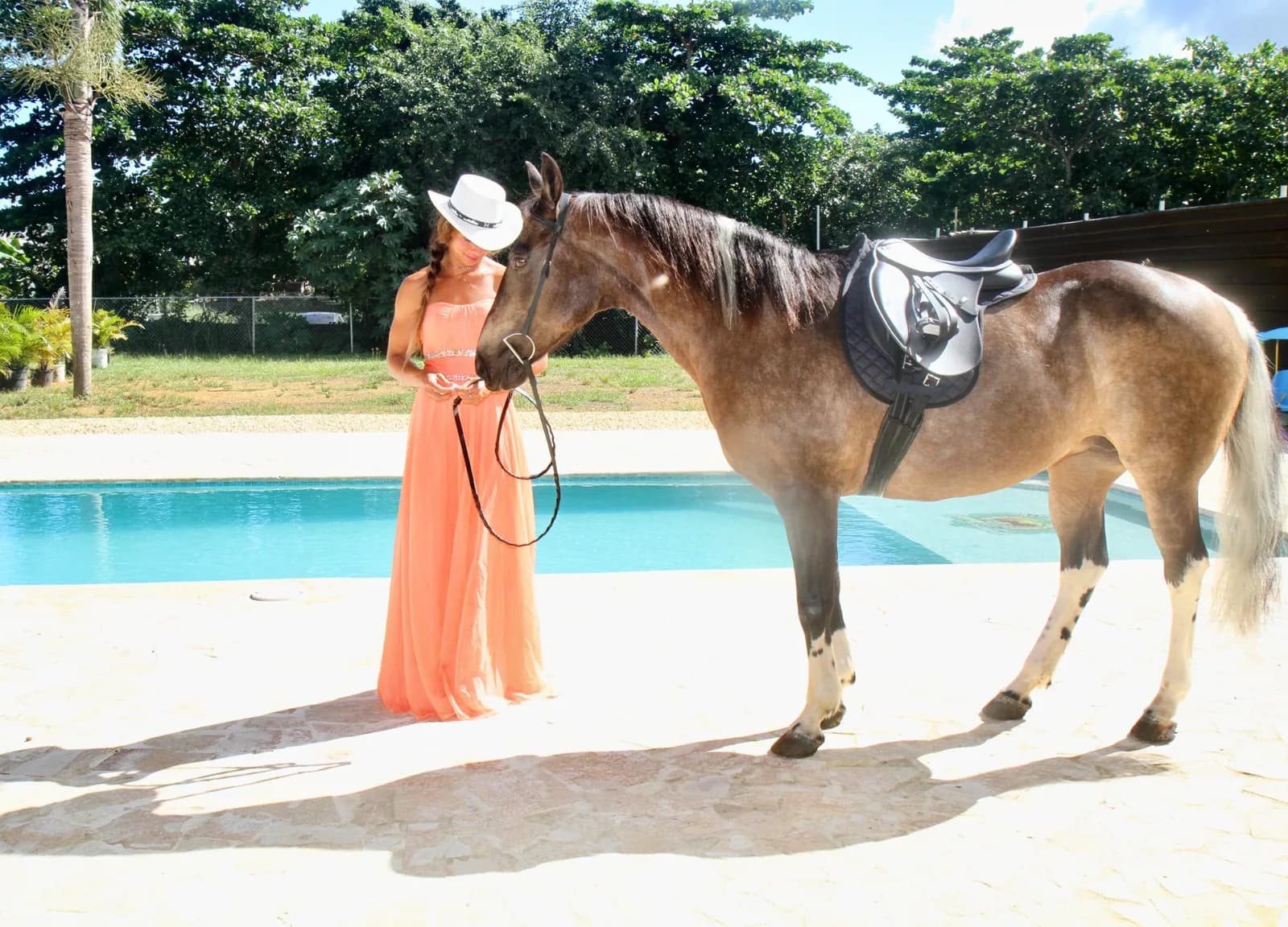
Why Horses of Every Breed Benefit From Trust-Based Professional Training
Learn how trust-based professional horse training can help horses of different breeds, backgrounds, and confidence levels learn with clearer communication.
By Barefoot Riding PR
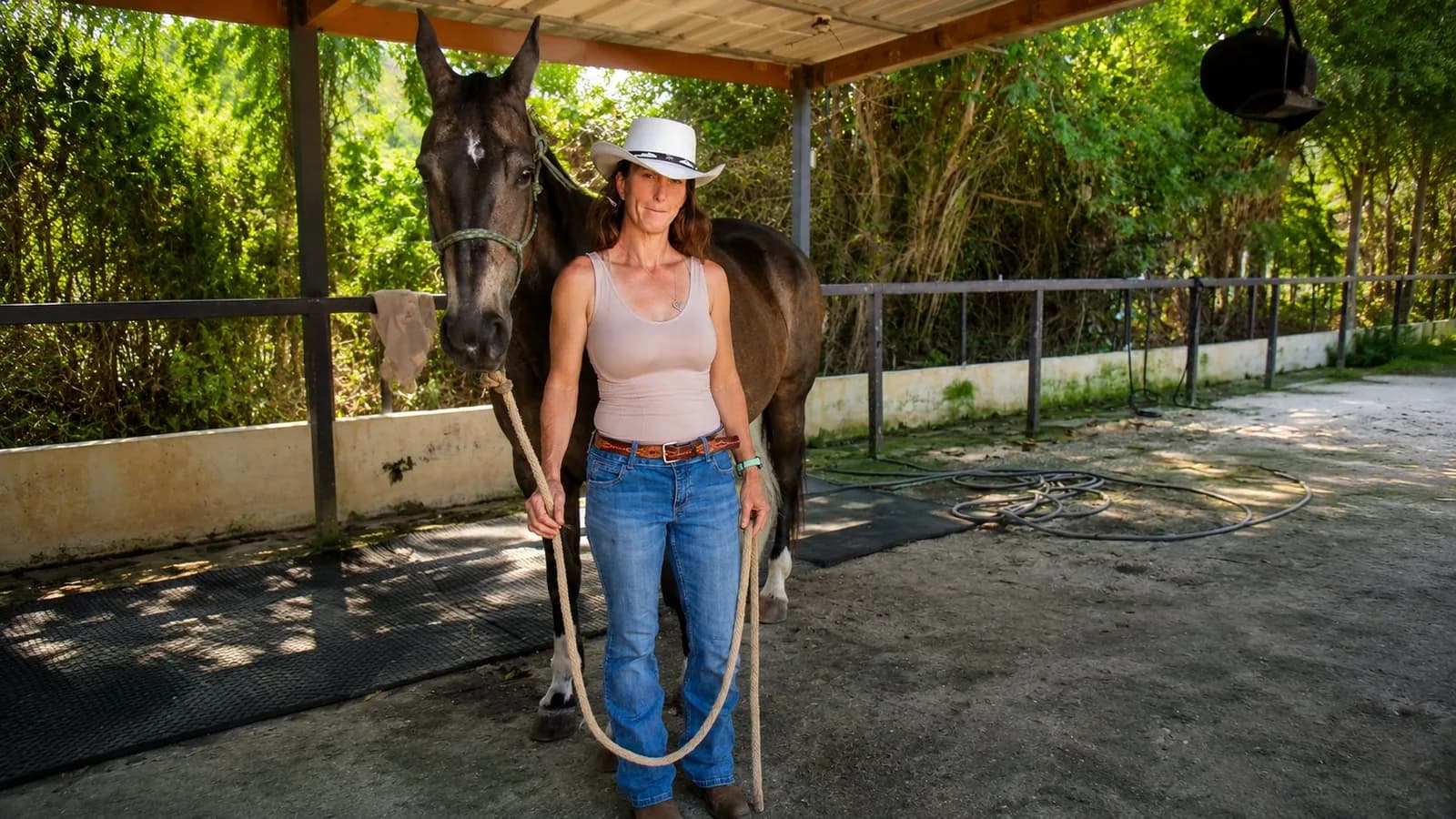
Good horse training starts with trust and clear communication. Professional horse training in Rincon, PR, gives owners a thoughtful way to help their horses learn and grow. Barefoot Riding PR uses trust-based horsemanship to build confidence without relying on force.
Every horse has its own personality, background, and way of learning. A trust-based approach gives each horse the support it needs during training. Horses can become more willing partners when they feel safe and understand what is being asked.
Better training can create a stronger bond between horse and rider.
Here are the reasons horses of every breed can benefit from trust-based professional training.
Key Takeaways
- Trust-based training gives horses a clearer way to learn without added pressure.
- Every horse brings its own background, habits, and way of responding.
- Professional training can help nervous or green horses build real confidence.
Training Starts With the Horse in Front of You
Successful training begins with understanding the horse as an individual. Breed traits, confidence, and current skills can shape how a horse learns. Past handling can also affect how quickly a horse feels safe with a trainer.
Skilled trainers adjust their methods based on what they see each day. Trust-based training gives the horse time to understand each lesson without being pushed through the same routine. Each step builds on the horse's needs, which can lead to better progress and a more willing partner.
Natural Sensitivity Becomes Useful Information
Some horses react fast to noise, movement, or pressure. Those reactions can show how the horse feels. Barefoot Riding PR pays close attention to these signs during training.
Good horse training in Rincon, PR, works with the horse instead of pushing too hard. A trainer can lower the pressure when the horse feels unsure. This helps the horse stay calm and ready to learn.
Strong Horses Still Need Soft Communication
Power does not tell you how a horse learns. Even a large horse can respond better when each cue is clear and easy to understand.
Heavy Pressure Can Create the Wrong Lesson
Too much force can make a strong horse push back instead of listen. The horse may learn to brace against pressure rather than respond to a cue. A softer approach can prevent that fight and keep the horse focused on the lesson.
Release Timing Helps Build Self-Control
A horse learns a lot from the moment pressure goes away. A well-timed release shows the horse which response was correct. Over time, this can help a powerful horse respond with more control rather than relying on strength first.
Can Trust-Based Training Help a Nervous Horse?
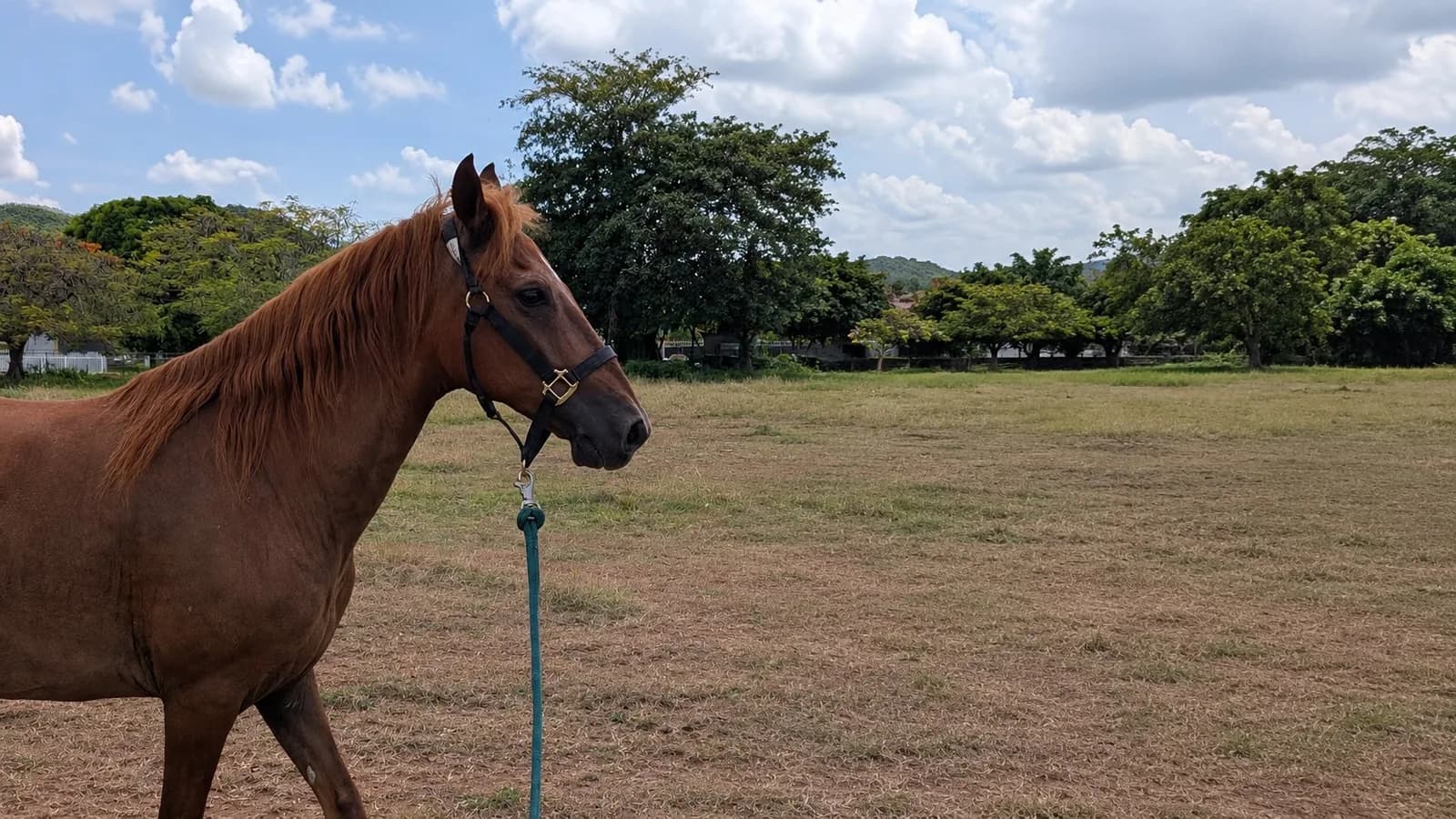
Yes, trust-based training can help a nervous horse feel safer during lessons. A trainer can break new tasks into small steps that feel easier to handle. Clear progress helps the horse stay focused instead of feeling overwhelmed.
Small wins can slowly change how the horse reacts to new challenges. Each calm response gives the horse more confidence for the next step. Over time, the horse can become more willing to learn and try new things.
Breed Traits Do Not Become Excuses
Breed traits can give a trainer helpful clues, but they do not tell the whole story. Barefoot Riding PR looks at the horse in front of them instead of relying on labels. A spirited or quiet horse still needs training based on its own habits and skills.
Good training separates natural traits from behaviors that need work. One horse may need more patience, while another may need clearer limits. The goal is to help each horse learn without blaming every challenge on its breed.
Willing Responses Reveal More Than Obedience
A horse can finish a task and still feel unsure about it. Good training looks past the final result and pays attention to the horse's attitude during the lesson. A willing horse stays involved instead of simply waiting for the pressure to end.
Here are signs that show a horse is truly learning and not just going through the motions:
- The Horse Stays Mentally Present: A willing horse keeps paying attention even after making a mistake. It does not shut down or try to escape the lesson.
- Mistakes Do Not End the Conversation: A horse that feels safe can try again after getting something wrong. That gives the trainer a better chance to guide the next response.
- The Horse Moves Into the Task: True progress often shows when the horse starts the task without being pushed through every step. That choice can show growing trust and better understanding.
- Calm Body Language Supports the Response: A relaxed face, steady breathing, and softer movement can show how the horse feels about the work. These signs help a trainer see if the lesson is building confidence or creating stress.
Real progress happens when the horse understands the lesson and chooses to stay part of it.
How Does Professional Training Build Horse Confidence?
Confidence grows when a horse understands what is being asked. Clear tasks give the horse a fair chance to succeed without feeling rushed. Each good response helps the horse feel more ready for the next challenge.
Professional horse training in Rincon, PR, can slowly add harder lessons as the horse improves. New skills are introduced at a pace the horse can handle. Steady practice teaches the horse to work through problems rather than back away from them.
We Offer Trust-Based Horse Training in Rincon, PR
Trust-based training helps horses learn with more confidence and less stress. Barefoot Riding PR uses a patient approach that respects how each horse learns. Better communication can lead to a stronger, more willing partnership.
Frequently Asked Questions
What types of horses are a good fit for trust-based training?
Trust-based training can work with horses of many breeds, ages, and backgrounds. The trainer adjusts the approach based on how each horse learns and responds.
Can professional training help a horse with inconsistent past handling?
Yes, professional training can help create clearer expectations for a horse that has received mixed signals. Steady communication gives the horse a better chance to understand what is being asked.
Is trust-based horse training only for green horses?
No, experienced horses can also benefit from a trust-based approach. Training can help improve old habits, rebuild communication, and strengthen the horse-rider partnership.
How do trainers avoid pushing a horse too far?
Trust-based trainers watch how the horse reacts during each step of the lesson. They can adjust the pace when the horse shows confusion, tension, or uncertainty.
Can trust-based training help a horse become more willing to work?
Yes, clear and consistent training can help a horse better understand what the rider wants. A horse that feels safe and understands the task is more likely to stay engaged in the work.