Why Trust Comes Before Trotting in Horse Riding Lessons
Building genuine trust with your horse creates the foundation for all technical skills and sustained willingness to perform.
By Barefoot Riding PR
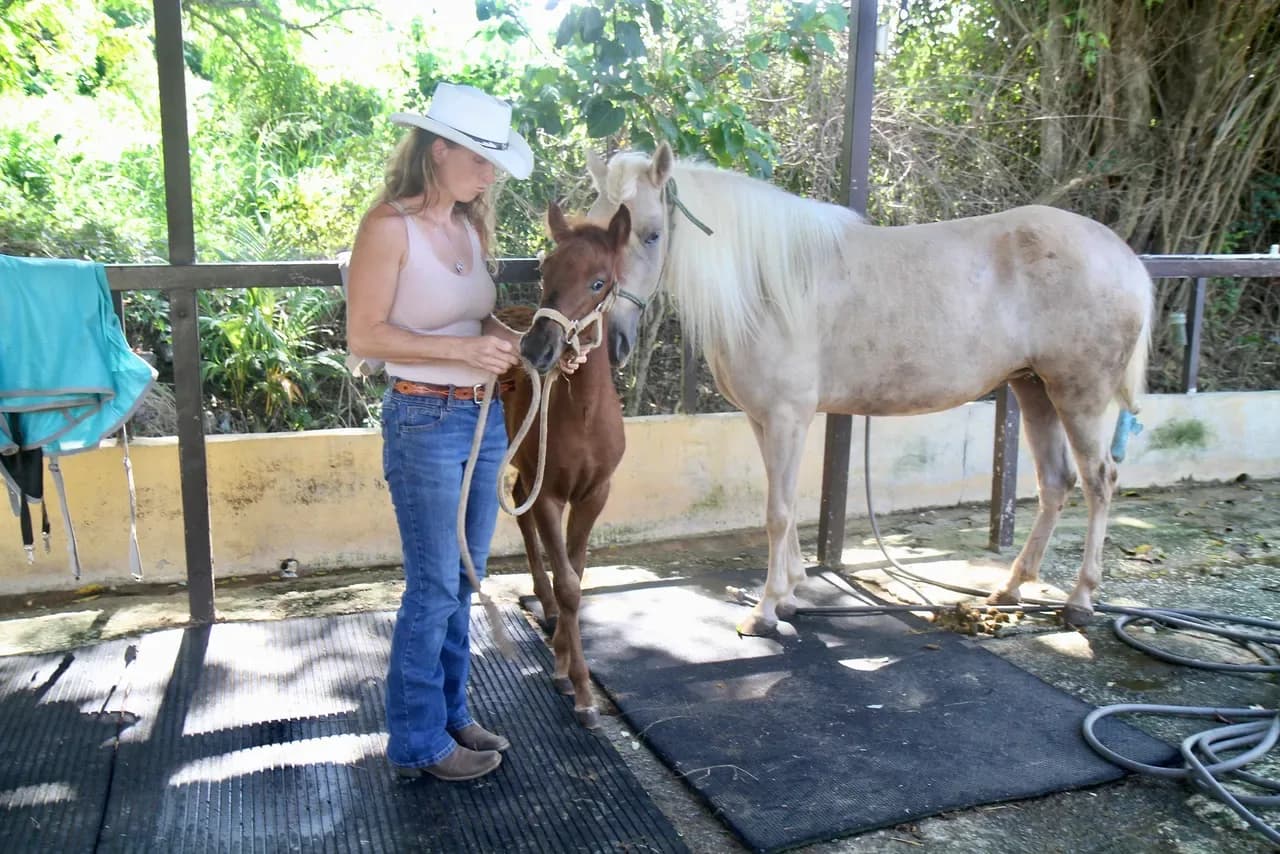
New riders often approach lessons with a particular assumption: they'll learn the mechanics of riding first, and then eventually develop a relationship with the horse. Instructors quickly recognize this as backwards. The most important skill a rider can develop is trust. Everything else, the trotting, cantering, navigating obstacles, all of it, flows naturally from a foundation of genuine trust between horse and human.
Trust as the Foundation
Trust is what separates willing cooperation from reluctant obedience. A horse that trusts you will try for you even when circumstances become difficult. A horse that doesn't trust you will find reasons to avoid work or resist direction. The difference is profound and directly observable.
When a horse genuinely trusts you, it shows up differently. Its ears are forward. Its breathing is calm. It approaches you with curiosity rather than wariness. It responds to subtle cues rather than demanding constant pressure. This isn't because the horse has been trained to obey through force. It's because the animal has learned through consistent, respectful interaction that you're worth trusting.
Building this trust takes time. It requires showing up consistently. It means handling your horse with gentleness even when you're frustrated. It means keeping your promises. If you ask for effort, you release pressure when the horse responds. If you say "whoa," and the horse stops, something good happens. Trust builds through thousands of these small, honest interactions.
Pressure Requires Trust to Work
Here's a paradox that confuses many newer riders: once a horse truly trusts you, gentle pressure becomes incredibly effective. But before trust is established, even firm pressure produces resistance or fear rather than understanding.
Why? Because a horse that trusts you interprets your pressure as communication rather than punishment. The animal assumes you have a good reason for the request and tries to figure out what you want. A horse that doesn't trust you interprets pressure as threat. It responds with defensive behaviors, backing away, rearing, refusing, or simply shutting down mentally.
The most skilled riders understand this. They invest heavily in trust early, knowing that once trust is solid, everything else becomes easier. A horse with high trust responds to subtle corrections. A horse with low trust requires ever-increasing pressure to achieve anything, and still remains unreliable.
Willingness Under Pressure
One of the most beautiful things about a trusting horse is its willingness to try even in difficult situations. Maybe you're asking for a movement the horse finds physically challenging. Maybe there's something in the environment that makes the horse nervous. A horse that trusts you will attempt the task anyway because it believes you wouldn't ask for something impossible or dangerous.
This willingness is impossible to force. You can make a horse move through punishment, but you cannot make it willing to move through willingness alone. That comes from trust. And that trust creates horses that are not just obedient but genuinely interested in cooperating with their riders.
The Cascade of Learning
When trust is established, learning accelerates dramatically. The horse isn't anxious about getting things wrong. The rider isn't anxious about the horse's potential reaction. Both can focus on the task at hand. Communication becomes clearer. Adjustments are made more quickly. The partnership develops.
At Barefoot Riding PR, we place trust-building at the center of everything we do in our training program. Yes, you'll develop technical skills, the kind of fundamentals you can preview in our training videos. You'll learn to post and sit a trot, to execute turns, to navigate trails. But the foundation for all of this is the trust you build with your horse. When someone asks us what makes an excellent rider, we don't talk about the perfect position or the most dramatic rides. We talk about someone who has clearly invested in genuine partnership with their horse. That foundation changes everything. And it all starts with trust.
Ready to build that foundation with your own horse? Book a training session and let's start with trust.