About 35 minutes away
Horse Training in Aguada
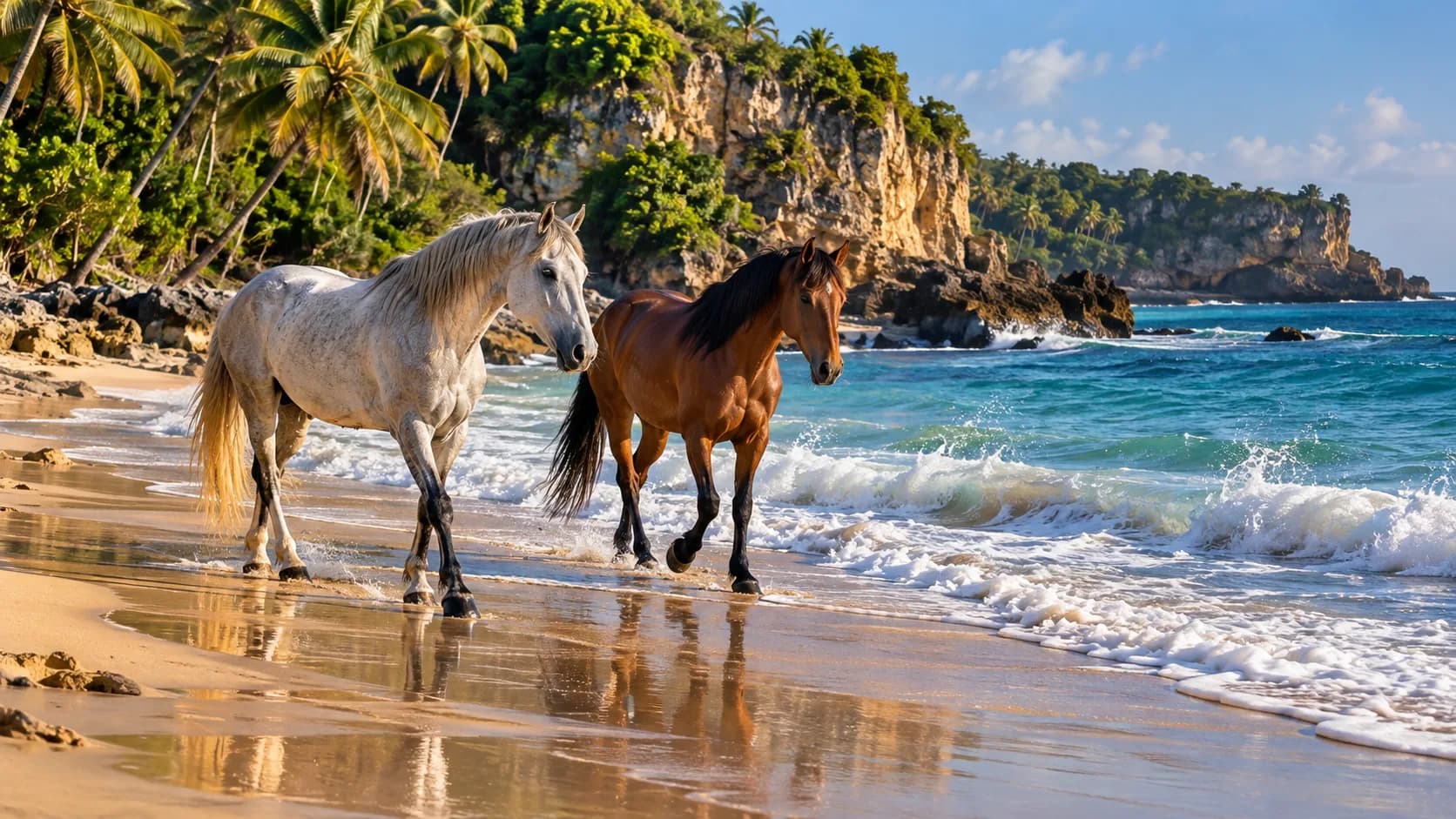
South of Isabela on the west coast, Aguada is where oceanfront and working countryside run into each other. The horses here are working horses.
Just south of Isabela, Aguada has a coastal character and a rural one. The municipality blends oceanfront with the kind of Puerto Rican farm country where horses have always been part of ordinary life rather than a holiday activity. That is a good thing for a horse and a hard thing for an owner, because a horse who is part of ordinary life gets handled by whoever is free, learns a slightly different rule from each of them, and ends up with none.
An hour and five up the coast
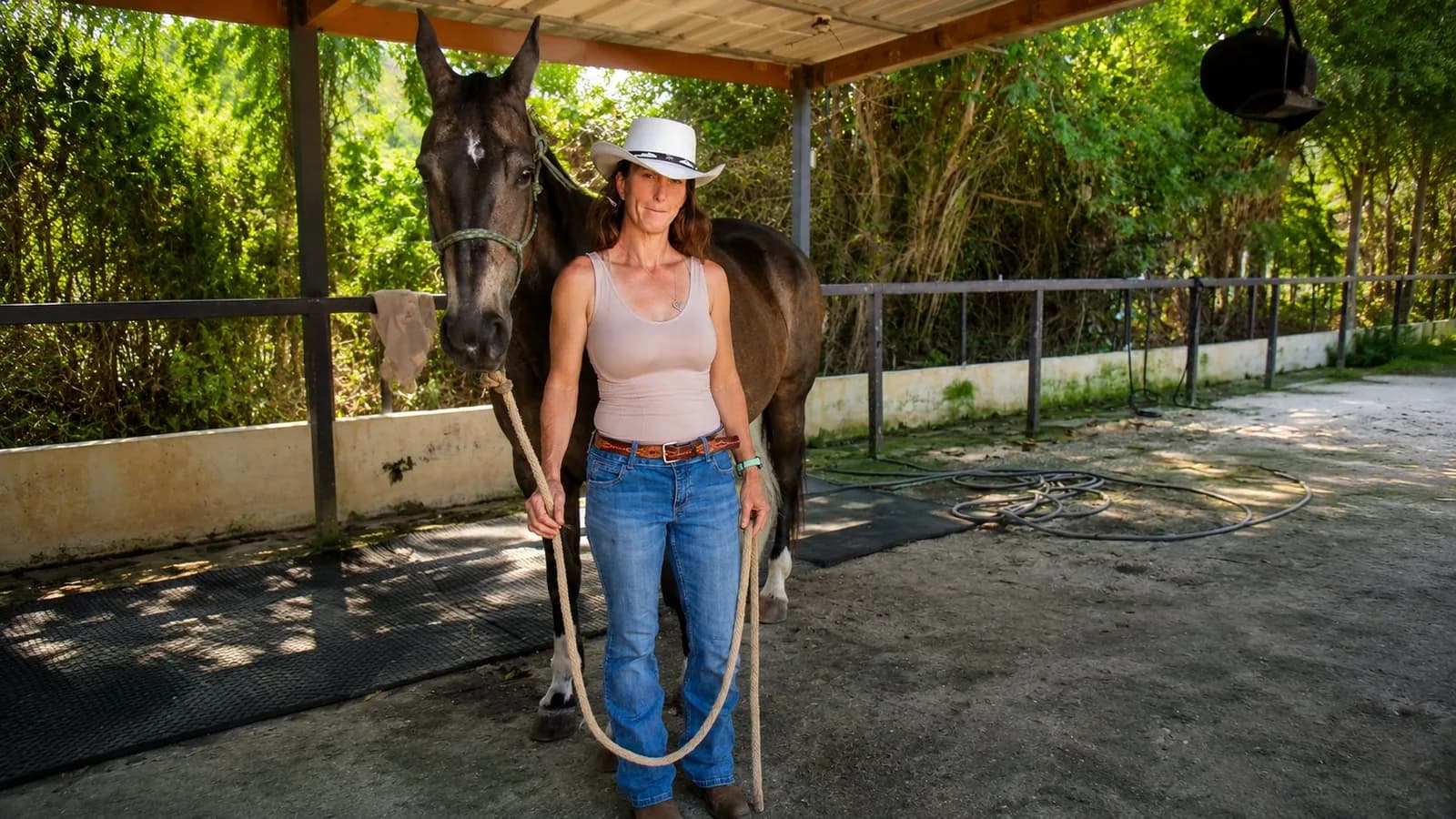
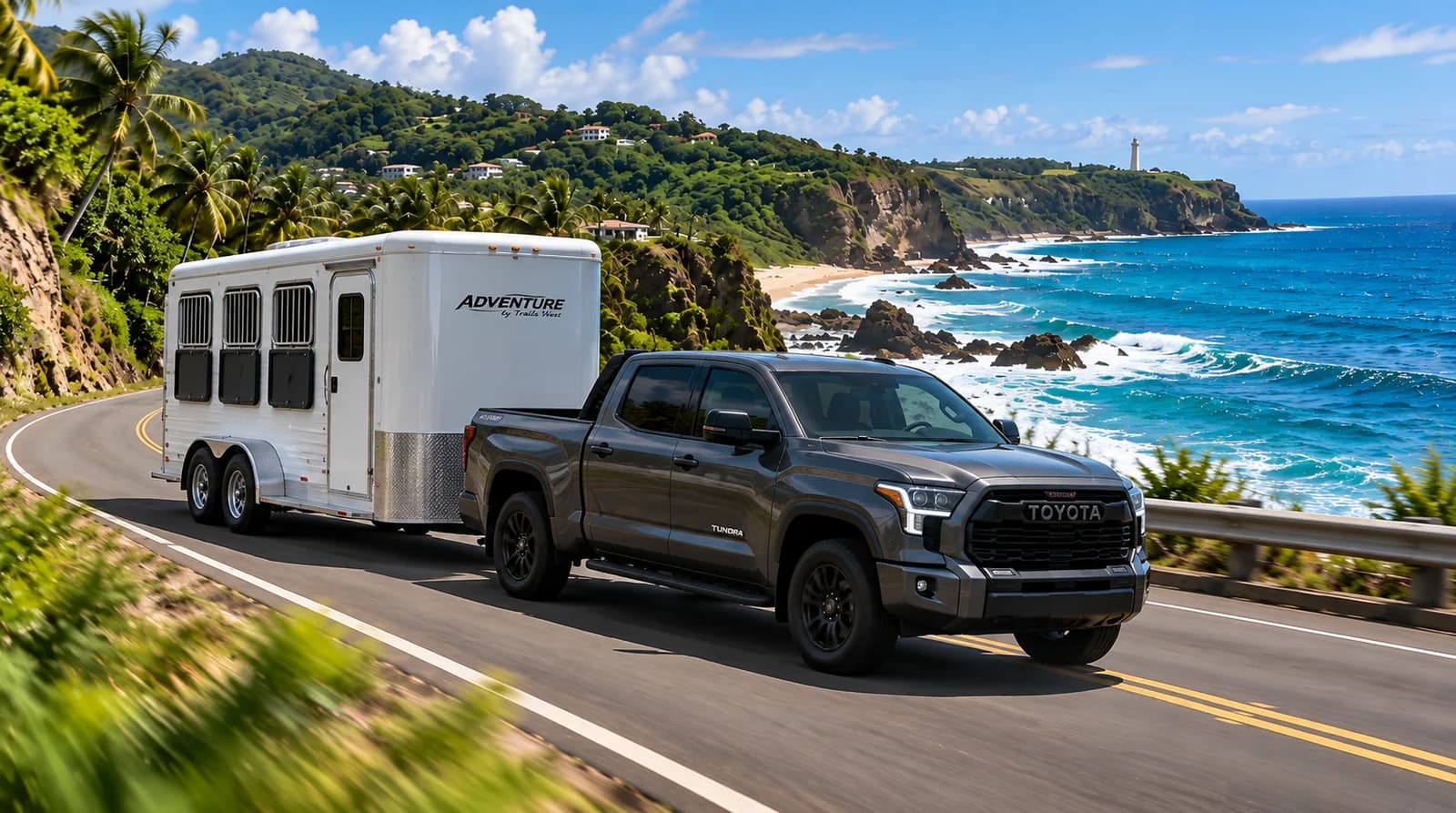
The training happens at Hacienda Los Ponce in Isabela, and Aguada sits about 1 hour 5 minutes away towing. That is a comfortable haul. It falls between Aguadilla at 20 minutes and Rincón at 45, and like almost everything in the northwest it is well inside the 90 minute mark. I do not ask a horse to stand on a trailer any longer than the job needs. For you it means the drop off is a morning rather than an expedition, and that visiting during the four weeks is a real option.
The horses Aguada sends me
Most enquiries from this stretch of coast are about a specific behaviour rather than a general polish. He pushes through me on the rope. He will not stand for the saddle. He is frightened of hands near his head. He was fine two years ago and then nobody had time for him. He bucks, or he goes ten strides and stops. He is four and has never been sat on. All of those are the program, and they do not all start in the same place.
Where the work starts
Four of them, and what happens first.
The month runs through ground work, manners, listening, riding in that order. Which step your horse starts at depends on what he is doing now, not on his age or on how long you have had him.
It drags me around on the rope
Starts with Manners
Manners and personal space
- The horse learns where you are and stays out of it. This is the step most people skip.
- Lead, stop, back up and turn on a loose rope, four days a week.
- By the end you can walk it anywhere with one hand.
It will not stand still for the saddle
Starts with Ground work
Ground work, then the saddle goes back on
- The saddle goes away for the first sessions. A horse that will not stand is not being bad, it is not listening yet.
- Move the hips and shoulders off a light feel, both sides, until it is boring.
- Stand on a loose rope while I move around, throw the pad, do up the girth. Then we ride.
It is scared of my hands near its head
Starts with Ground work
Getting your hands to mean something safe
- Head-shy does not get better by grabbing harder.
- Small, quiet contact hundreds of times, ears, poll and muzzle, until the head comes down on its own.
- Bridling and worming stop being a fight.
It bucks, or will not keep going
Starts with Ground work
Back to the ground, then rebuild the ride
- A horse almost never bucks to be mean. It is scared and has nowhere to put it. A harder bit does not fix that.
- We restart on the ground so it has somewhere to put the worry, then add the saddle back slowly.
- Forward and level under saddle by the end, with no gadgets.
A horse handled by whoever was free that afternoon has usually learned four slightly different rules and settled on none of them. What the four weeks changes first is not the horse’s attitude, it is the number of people asking and the number of answers he is allowed to give. Four days a week, the same ask, the same order, until the boring version is the one he offers.
The other three problems, loading, spooking, and a horse that has never been started at all, are on the training page with all seven together.
What the four weeks does with that
$500 for 16 sessions over four weeks. Stable and feed are separate. Four days a week, four weeks, sixteen sessions, working through ground work, then manners, then listening, then riding under saddle. Every week a progress video, so you can watch the change rather than take my word for it. Any breed and any background. The training page shows which problem starts at which step. If you would rather see the work before you commit to anything, the training videos are ordinary sessions rather than a showreel.
Getting him to Isabela and back
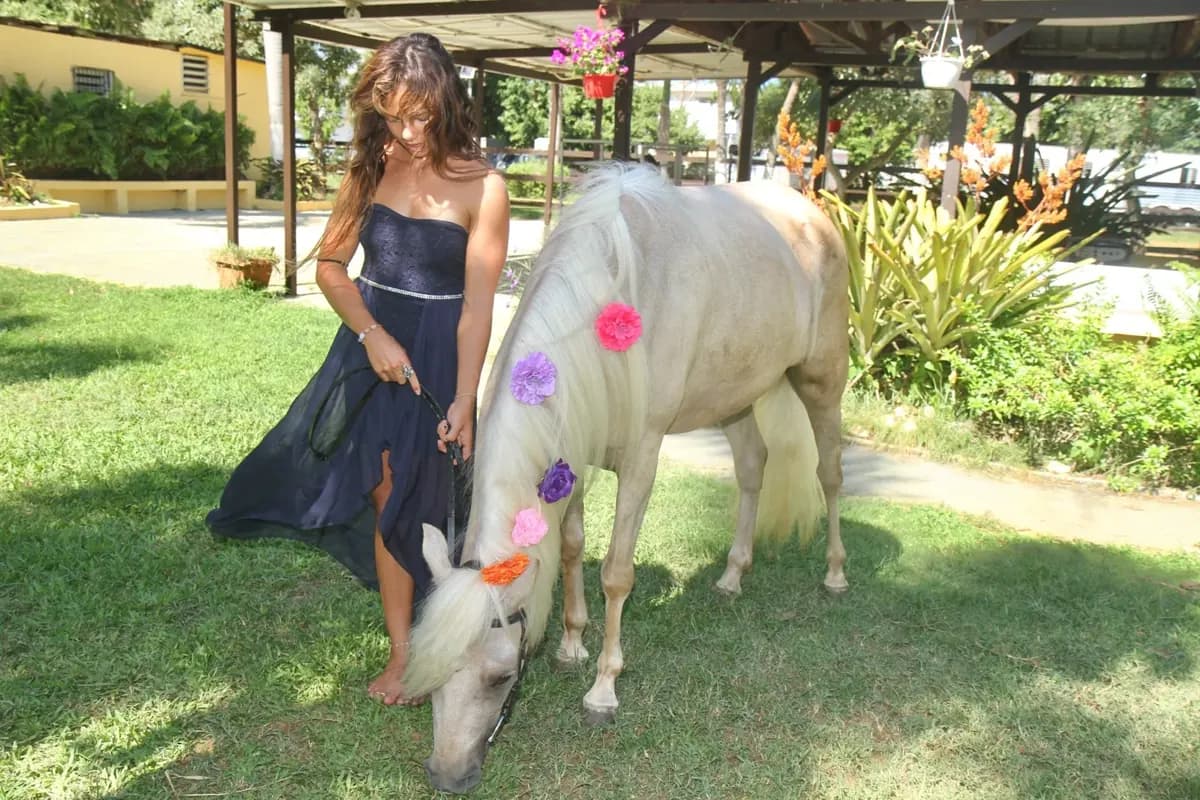
Bring him yourself or I will come and get him. Horse transport is quoted separately from the program rather than folded into it, runs island-wide, and takes up to three horses at a time. Tell me where in Aguada he is standing and roughly when you want him started, and I will come back within 24 hours. When the month is done the same trailer takes him home. Photo sessions travel the same way, at from $from 250 an hour on location with the first 15 km included, or from $from 150 an hour at the stable.
Nearby towns
Aguada is a short haul. Tell me what the horse is doing.
Email barefootridingpr@gmail.com or call and WhatsApp 904.705.2294. I answer within 24 hours.