3 Horse Cues That Matter More Than Commands
The subtlest signals, weight shifts, breathing patterns, and energy changes, often communicate more effectively than direct commands.
By Barefoot Riding PR
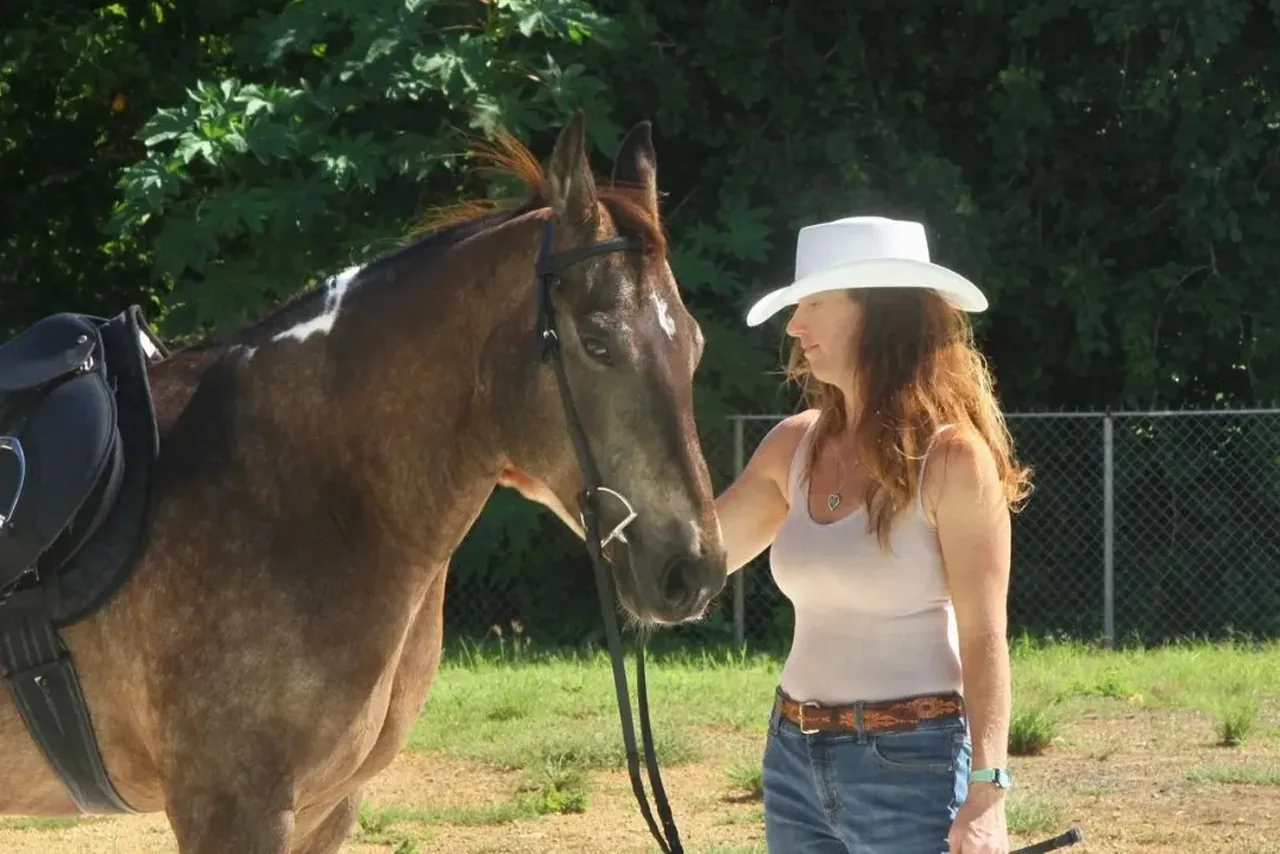
Most people believe that riding is about commands. You want the horse to turn, so you pull the rein. You want it to go faster, so you squeeze with your legs. You want it to stop, so you pull back. This mechanical model of horse-human communication works to a degree, but it's missing something crucial: the language of cues that horses understand far more clearly than they understand commands.
Weight Shifts as the Primary Signal
The most powerful cue any rider can develop is the subtle shift of weight in the saddle. Before a horse turns its body, its weight shifts toward the new direction. A skilled rider learns to feel this moment and to shift their own weight in the direction they want to go. This tiny adjustment often produces an immediate, effortless response.
What's remarkable is that many horses respond to a weight shift before you ever touch the reins. The animal feels the change in your center of gravity and adjusts its own body accordingly. This happens at a neurological level that's older and more fundamental than the communication that happens through rein contact. A horse understands weight shift the way it understands another horse's weight shift. It's basic body language.
When riders discover this, everything changes. Riding becomes less about pulling and more about moving with intention. The horse becomes more responsive because you're communicating in its native language rather than trying to translate your intentions through equipment.
Breathing Patterns That Signal Emotion
Horses are extraordinarily attuned to human breathing. A held breath signals fear or tension. A deep, rhythmic breath communicates calm. A quick, shallow breath indicates anxiety or urgency. When a rider wants to canter, one of the most effective cues is to take a slightly deeper breath and exhale fully. This shift in your respiratory pattern tells the horse that you're ready for more forward energy.
Similarly, when you want to slow a horse's forward motion, breathing out helps communicate relaxation and a lower energy state. The horse responds to this biological signal by slowing its own metabolism and rhythm. You're not forcing it to slow through rein pressure; you're inviting it to match your calm energy.
Riders who develop awareness of their own breathing discover that they can influence their horses' responses before ever touching rein or leg. This is why experienced riders often emphasize breathing as foundational. It's not mystical. It's direct nervous system communication, and our training videos show exactly how this looks in motion.
Energy Changes as Intention
Beyond physical cues, there's a quality of energy or intention that horses perceive. When you truly commit to an idea, deciding that you're going to ask for a particular movement and genuinely believing the horse will comply, the animal often responds before any physical aid is applied. Conversely, when you're tentative or doubtful, the horse senses that hesitation.
This doesn't mean thinking your way into controlling the horse. It means aligning your energy with your intention. It means riding with clear purpose rather than ambiguous requests. When you decide to move forward, your weight settles deeper, your breathing adjusts, your attention focuses ahead. The horse reads all of this and responds.
Why Subtlety Wins
The reason these subtle cues matter more than direct commands is that they require less effort and produce more cooperation. A horse that responds to your weight shift, your breathing, and your energy is a responsive horse precisely because it trusts you. You're not forcing compliance; you're communicating. The animal chooses to cooperate.
As you develop these skills in our training program, you'll discover that riding becomes easier, not harder. The horse becomes more responsive, not less. The partnership deepens because you're meeting the animal in its own language rather than demanding that it translate yours. Once you understand that cues matter more than commands, you'll never ride the same way again.
Want to learn these cues in person? Book a training session and we'll start in the saddle.