3 Ways Trust-Based Horsemanship Can Change Your Horse's Behavior
Learn how trust-based horsemanship can lower a horse's fear, turn pushy habits into calm boundaries, and make everyday ground manners more reliable.
By Barefoot Riding PR
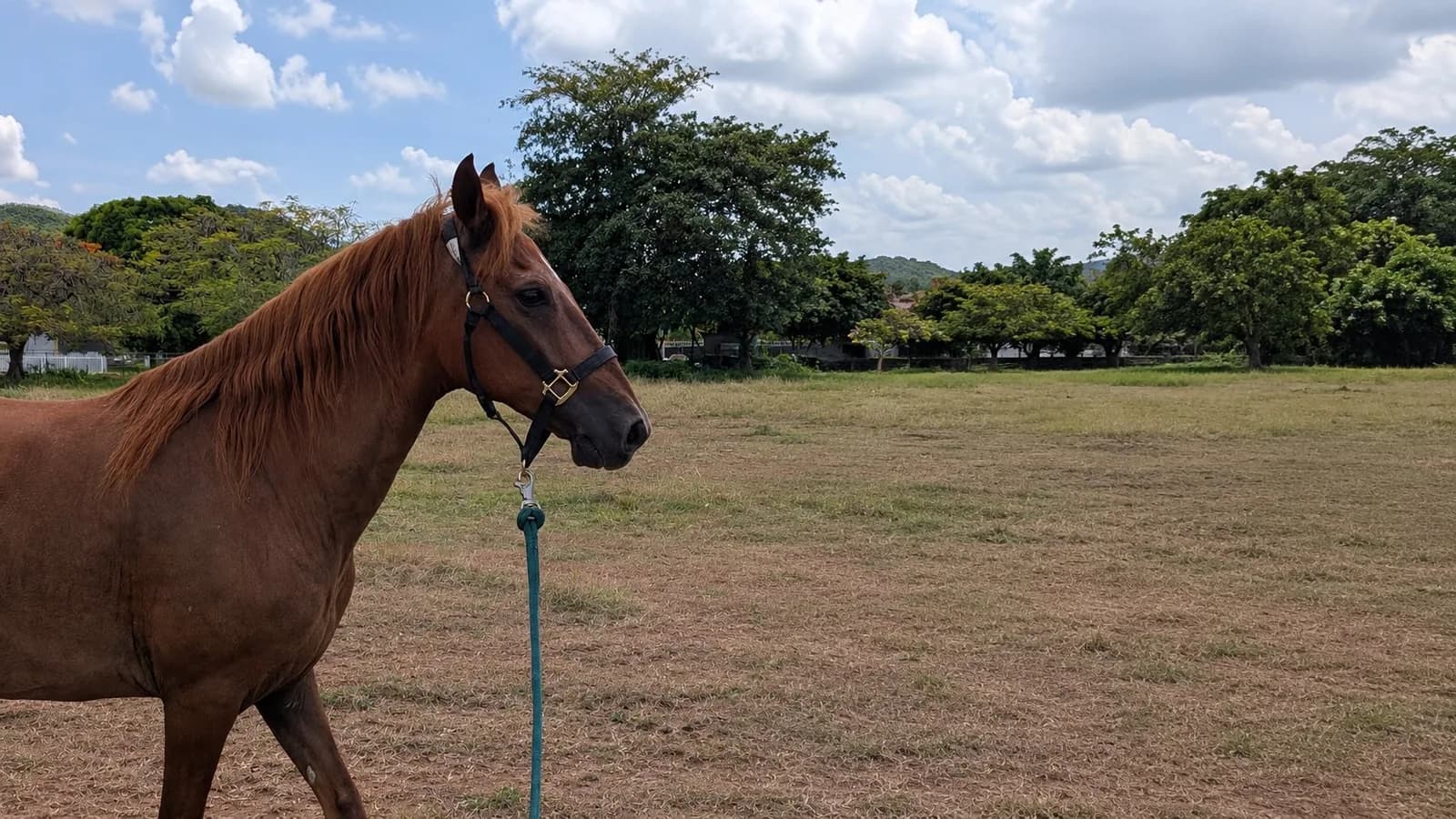
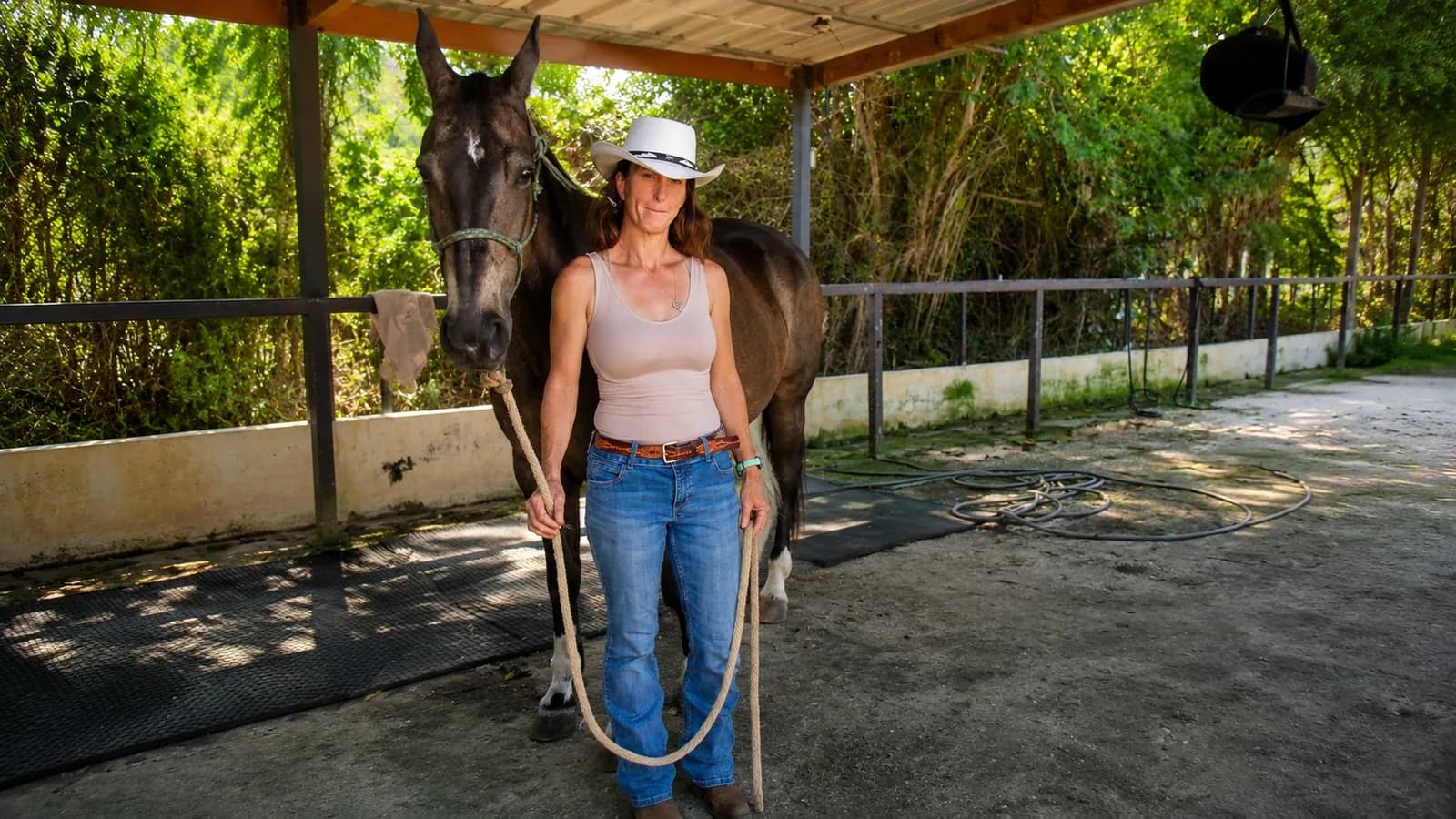
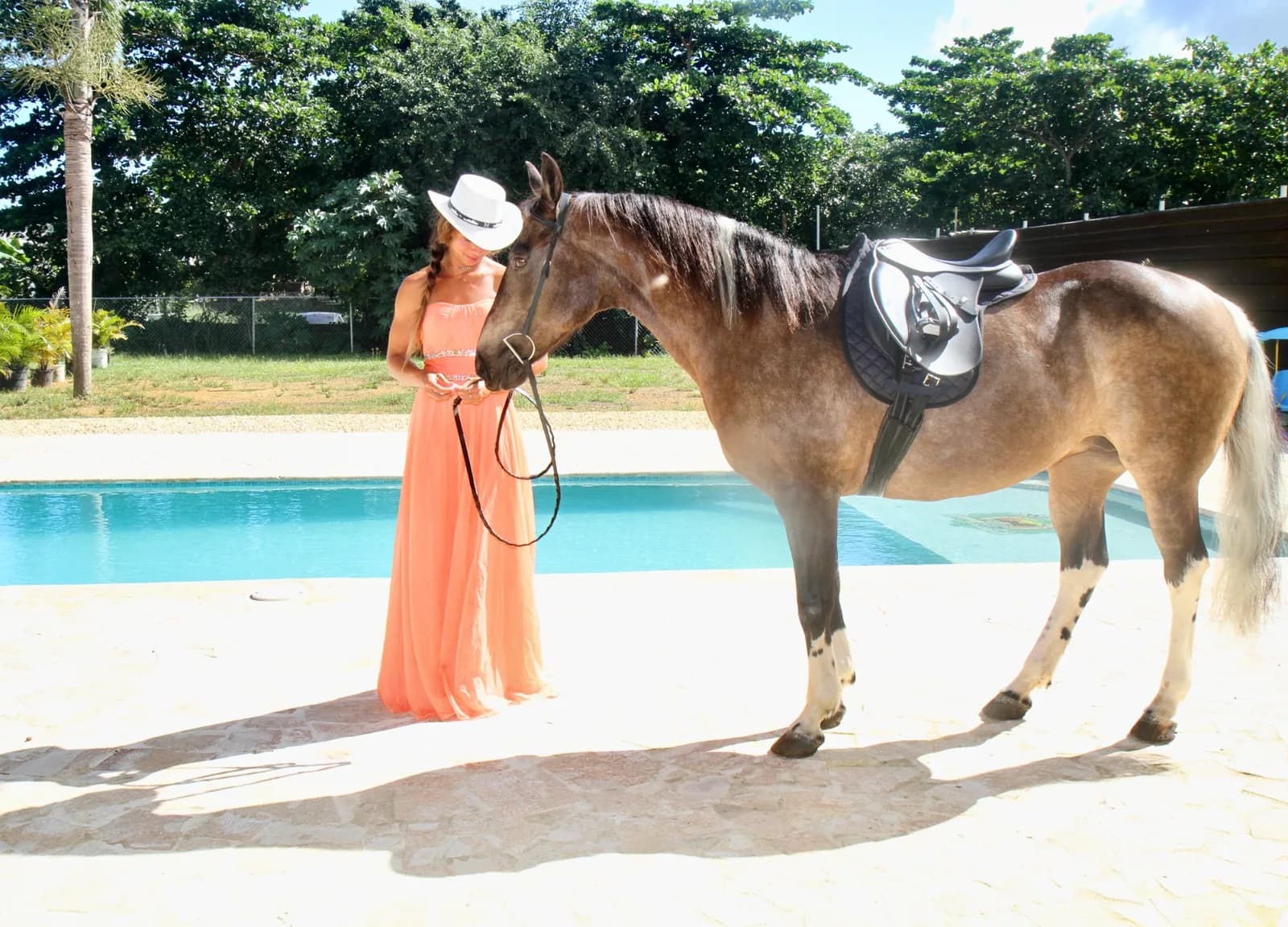
A horse may seem stubborn when fear, stress, or confusion is really getting in the way. Horse training in Jobos, PR should help the horse feel safe enough to listen, think, and learn. Barefoot Riding PR uses trust-based horsemanship to build calmer horses that are more willing to work with people.
Every horse brings its own story into training. Some need help with nerves, some need better ground manners, and some need a fair start after unclear past handling. The right approach meets the horse where it is and builds better behavior through trust instead of force.
Here are the ways trust-based horsemanship can change your horse's behavior.
Key Takeaways
- Trust-based horsemanship helps horses move from fear and confusion into calmer, more willing behavior.
- Better ground manners start when a horse feels safe enough to understand the ask.
- Every horse brings its own story, and fair training gives that story room to change.
Fear-Based Reactions Start to Fade
A scared horse can turn a simple cue into a fight for safety. That reaction may show up as spooking, rushing, freezing, or pulling away before the horse knows what you are asking. Trust-based horsemanship helps lower that fear so training feels less like pressure and more like clear guidance.
Calm training gives the horse time to think before it reacts. Each small win teaches the horse that normal cues do not mean danger. Barefoot Riding PR builds that trust first, so the horse can feel safer, listen better, and respond with less panic.
Pushy Habits Meet Calm Boundaries
A horse that crowds your space can make simple handling feel tense fast. The goal is not to scare the horse back, but to teach it where comfort and safety belong. With the right horse training in Jobos, PR, pushy habits can turn into calmer responses that feel easier for both horse and handler.
Clear space rules help the horse understand what happens next. A steady cue, a fair release, and calm timing can replace pulling, leaning, or walking ahead. This builds respect without breaking trust, so the horse learns to stay with you rather than push through you.
Ground Manners Become More Reliable
Daily handling feels safer when the horse understands the routine. Barefoot Riding PR uses trust-based horsemanship to help the horse stay settled during leading, tying, backing, and yielding. Clear practice can turn tense moments into simple steps the horse knows how to follow.
Small changes on the ground can make a big difference in the barn at Hacienda Los Ponce in Isabela. A horse that waits, gives space, and listens is easier to groom, tack, and turn out. Reliable manners help each task feel calmer for the handler and fairer for the horse.
Better Behavior Starts With Trust-Based Horse Training in Jobos, PR
A horse does not need more pressure to become easier to handle. It needs trust, steady guidance, and a training plan that respects how it learns. Barefoot Riding PR helps the horses in the program grow into calmer, more willing partners by building the bond first.
Want to talk through what your horse is doing? Contact Barefoot Riding PR and ask about trust-based training.
Frequently Asked Questions
What does trust-based horse training actually change?
Trust-based horse training can change how a horse reacts to pressure, people, and new tasks. Instead of bracing, rushing, or shutting down, the horse can start to listen with more calm and confidence.
How does trust-based horsemanship improve ground manners?
Trust-based horsemanship helps a horse understand space, timing, and simple handling cues without fear. This can make leading, stopping, standing, and daily barn routines feel safer and smoother.
Is trust-based training good for horses with a rough past?
Trust-based training can be a good fit for horses that have had unclear, rushed, or stressful handling. It gives the horse a fair path forward by building trust before asking for bigger changes.