Why Your Horse's Gait Is the Key to Harmonizing Your Ride
Understanding your horse's natural rhythm and gait is the secret to a smooth ride and a stronger partnership.
By Barefoot Riding PR
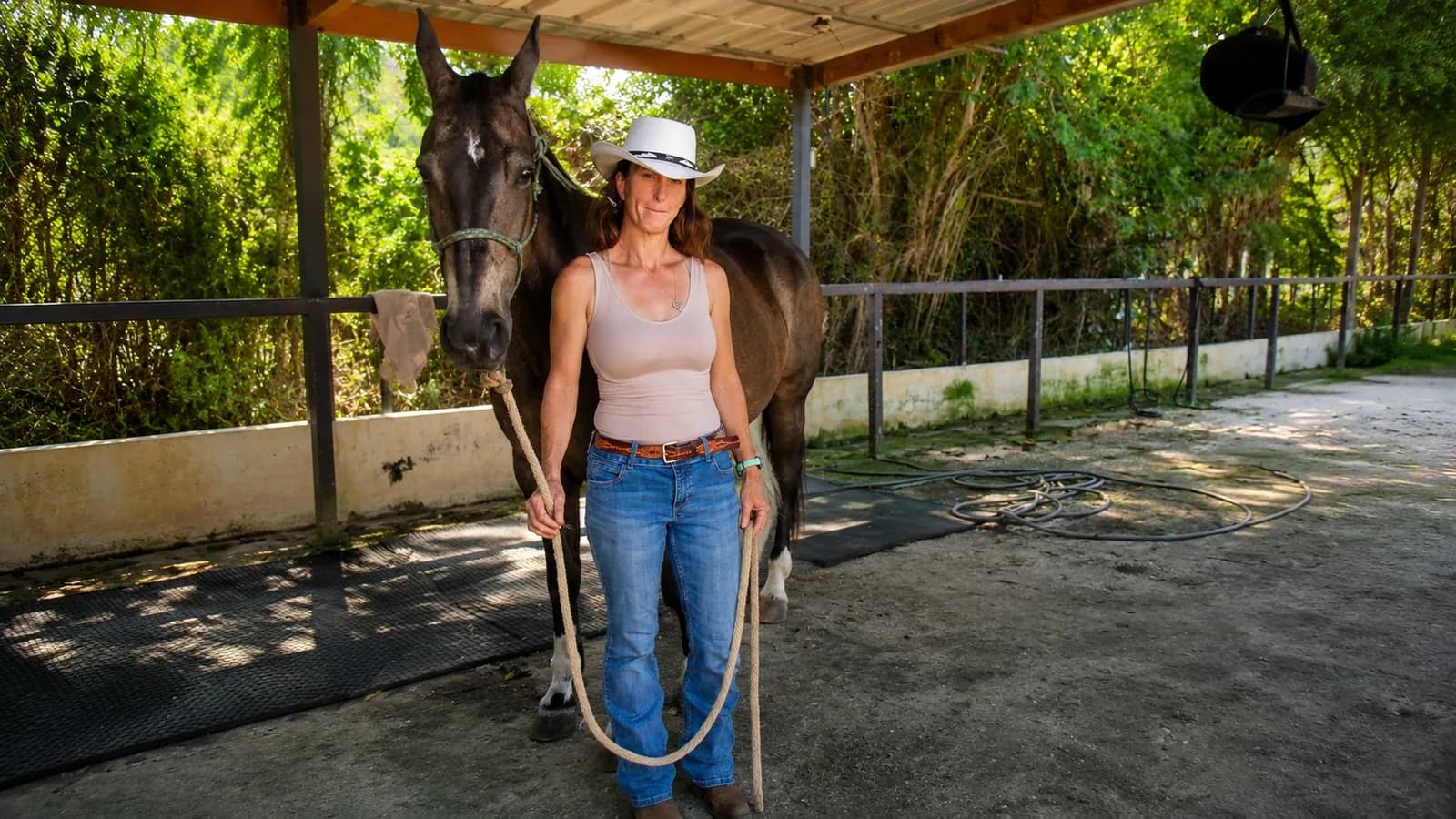
Many riders focus intently on their commands, the pull of the rein, the pressure of the leg, the shift of weight in the saddle. But experienced riders at Barefoot Riding PR know something different: the magic happens when you stop commanding and start listening. The key to this transformation is understanding your horse's gait, a tradition that runs especially deep in Puerto Rico.
Reading the Rhythm
A horse's gait is far more than its speed or stride pattern. It's an expression of the horse's mental and emotional state. A calm, collected walk feels entirely different from an anxious, hurried one. The trot can range from energetic and engaged to dull and resigned. When you learn to feel these subtle variations beneath you, you're receiving constant communication from your horse. The animal is telling you exactly what it's experiencing, confidence, hesitation, joy, fear.
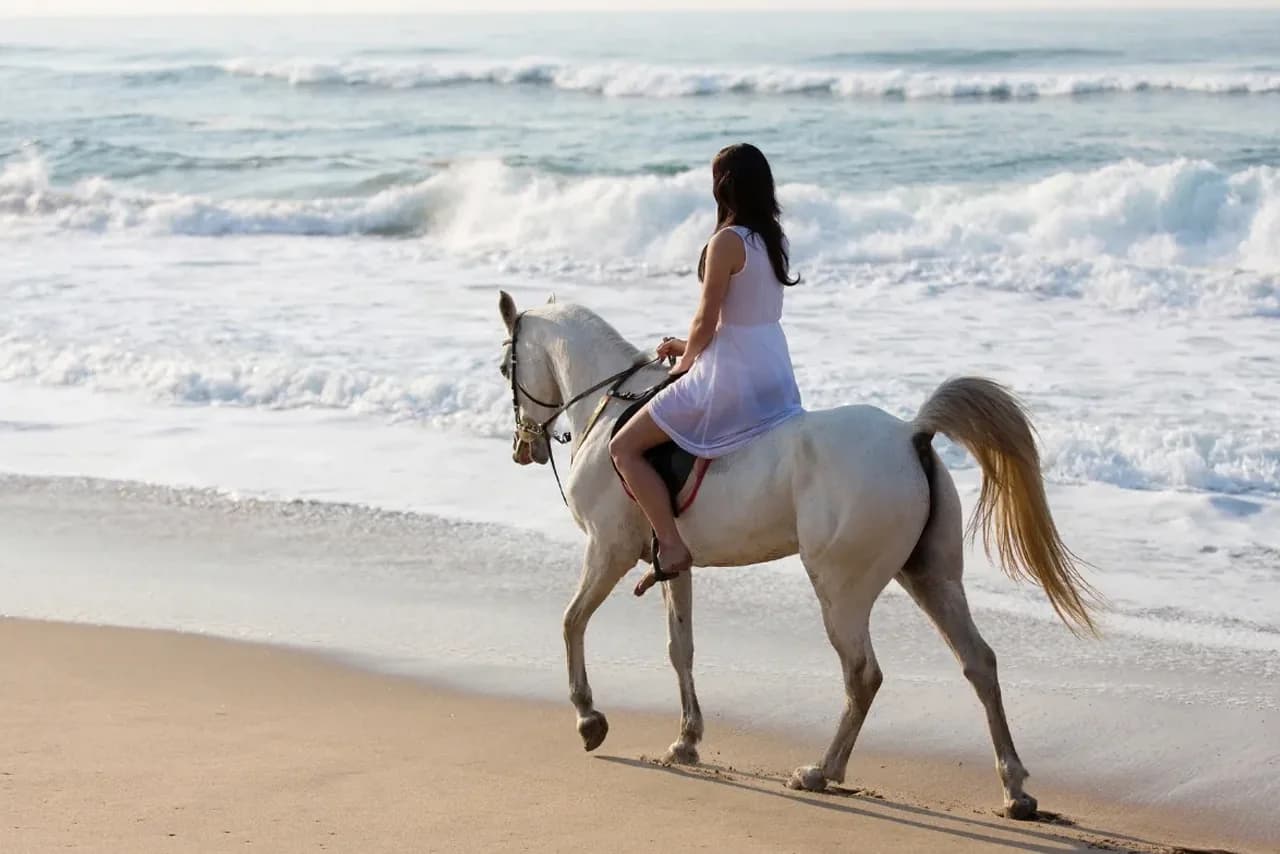
Rather than imposing your will on the horse's natural rhythm, successful riding involves synchronizing with it. This is where harmony truly begins. When rider and horse move as one unit, both creatures experience less fatigue. The rider's body isn't fighting against the horse's natural motion but flowing with it. Your legs stay relaxed instead of gripping, your seat settles deeper, and your overall fatigue decreases dramatically.
Gaits as Terrain Tools
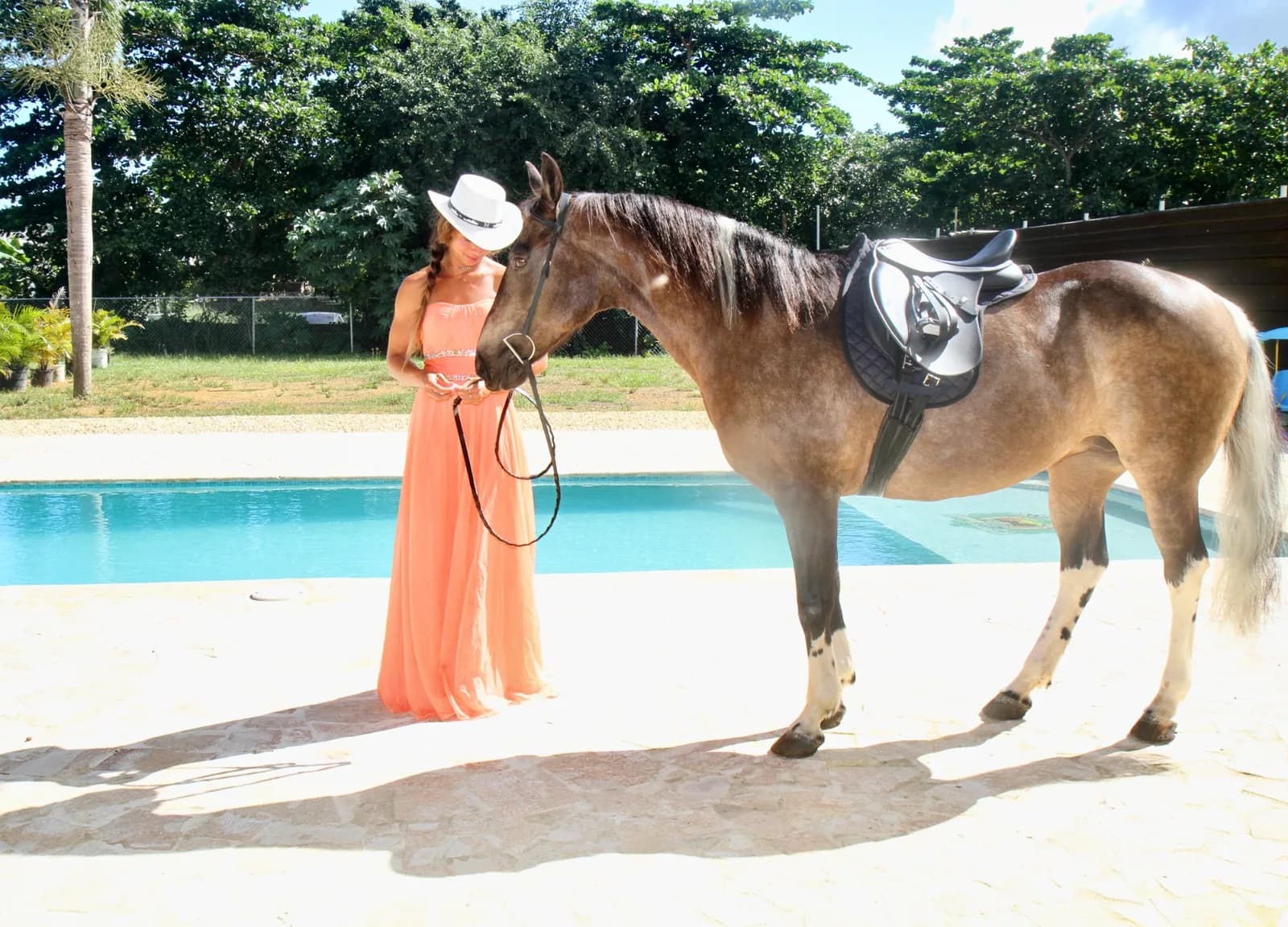
Different terrain demands different gaits, and the horse often knows this instinctively. A gentle walk might be perfect for a steep hillside where secure footing matters most. A steady, rhythmic trot covers ground efficiently on flatter sections. A careful, engaged canter feels right on open trails. When you understand and respect the horse's natural gait preferences, you're working with the animal's intelligence rather than against it. This is one reason the smooth-gaited horses we keep and sell are so well suited to trail work.
This partnership approach transforms not just how you ride, but how you see the relationship itself. Instead of dominating or controlling, you're collaborating with an intelligent being who has valuable information to offer.
Building Partnership Through Rhythm
The most profound rides happen when both horse and rider find a shared rhythm. Your breathing synchronizes with the horse's stride. Your weight shifts in harmony with its natural motion. In these moments, you're not thinking about technique anymore. You're simply riding. This is when real connection happens, when the horse trusts your presence and you trust its instincts. Spending time with our training program is the fastest way most riders learn to feel and follow this rhythm.
Learning to harmonize with your horse's gait isn't about becoming a more forceful rider. It's about becoming a more sensitive one. It requires patience, attention, and a genuine curiosity about what your horse is experiencing. At Barefoot Riding PR, we believe this kind of partnership is what makes riding truly rewarding.
Want to ride a horse whose gait you can actually feel? Book a training session and we'll match you with the right partner.